

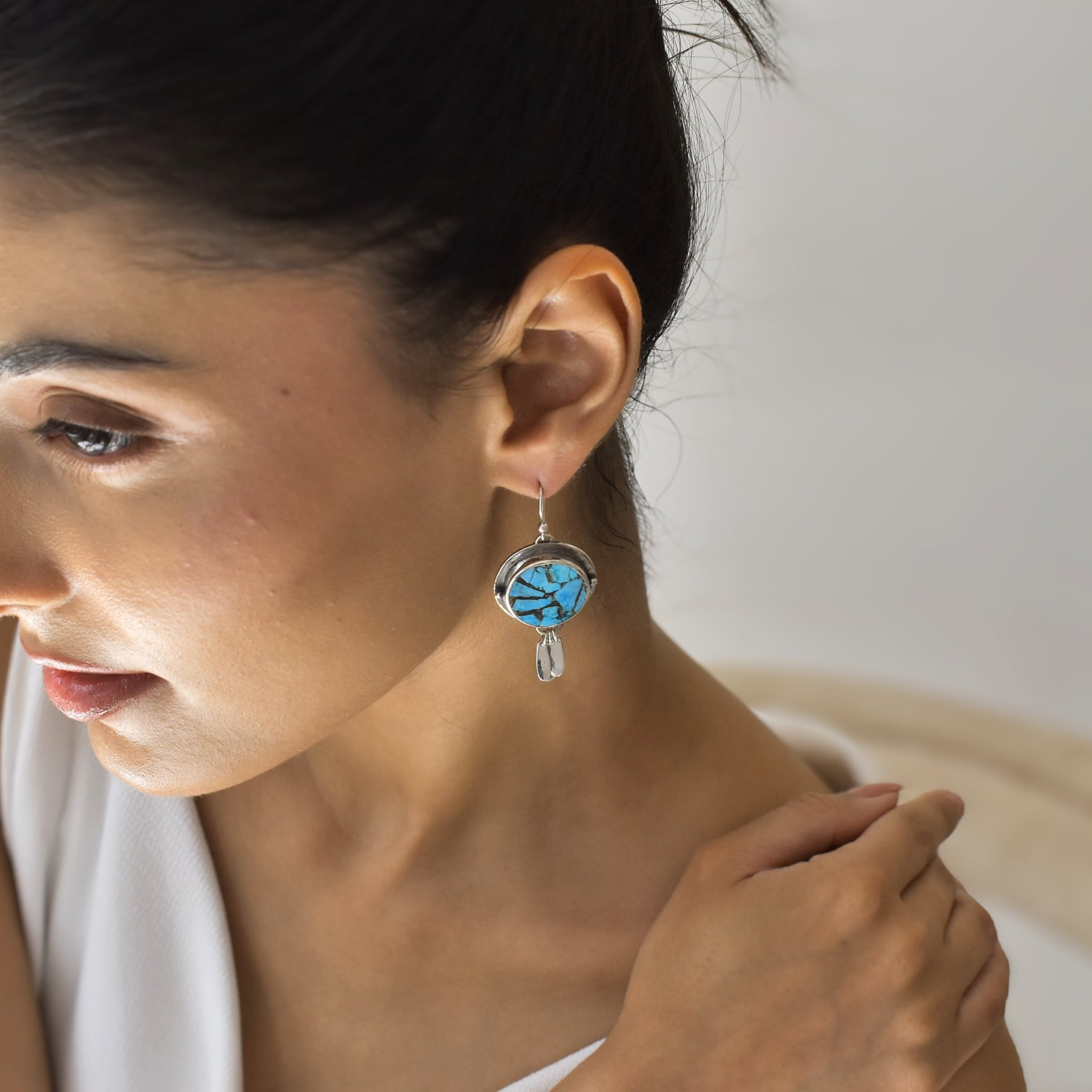
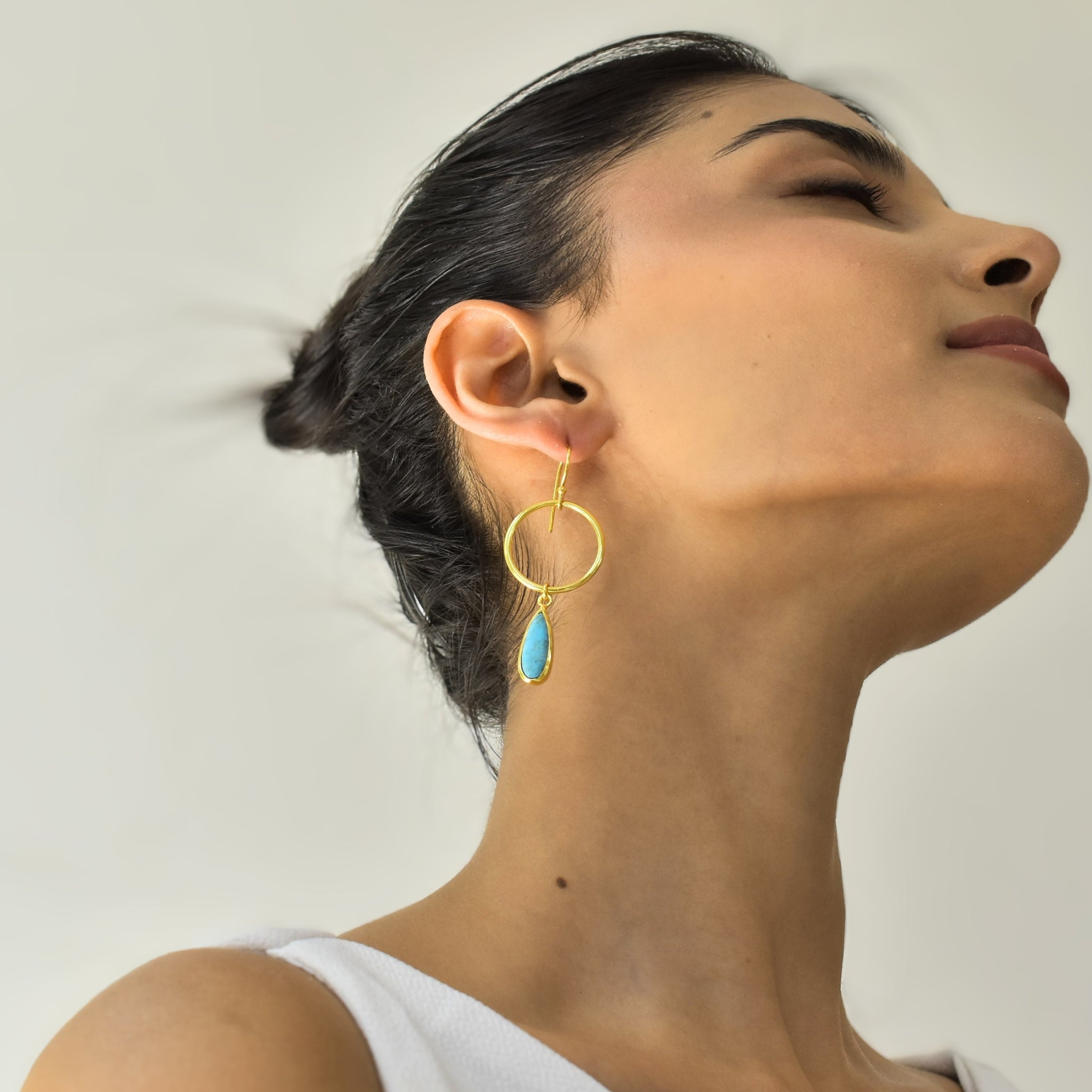
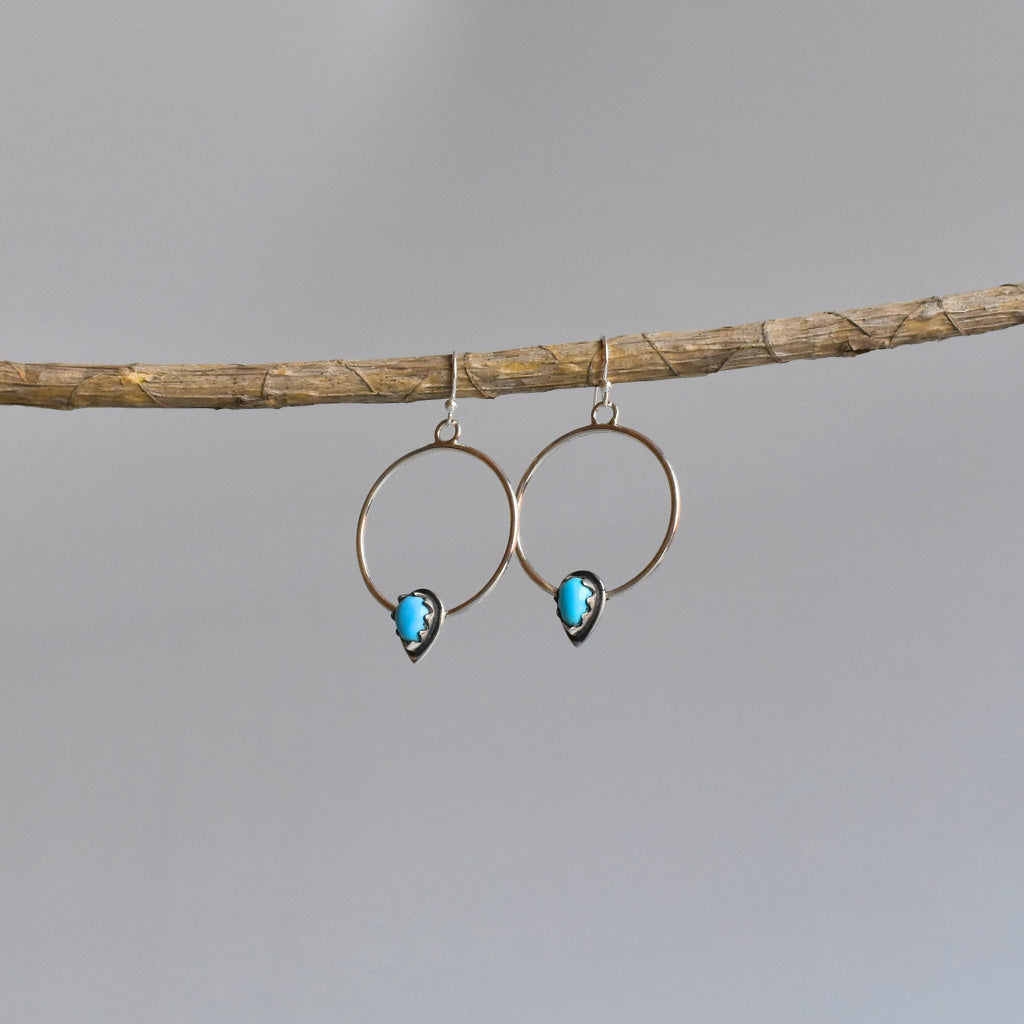
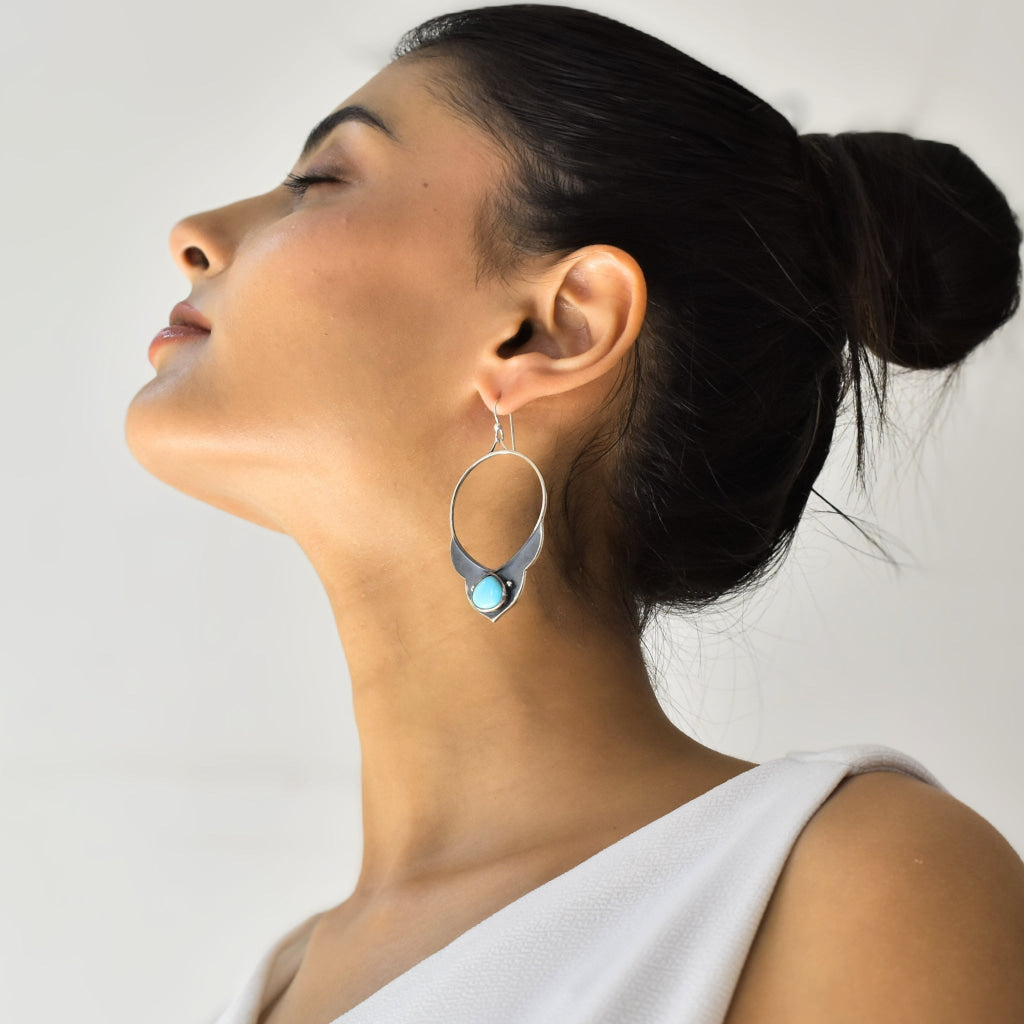

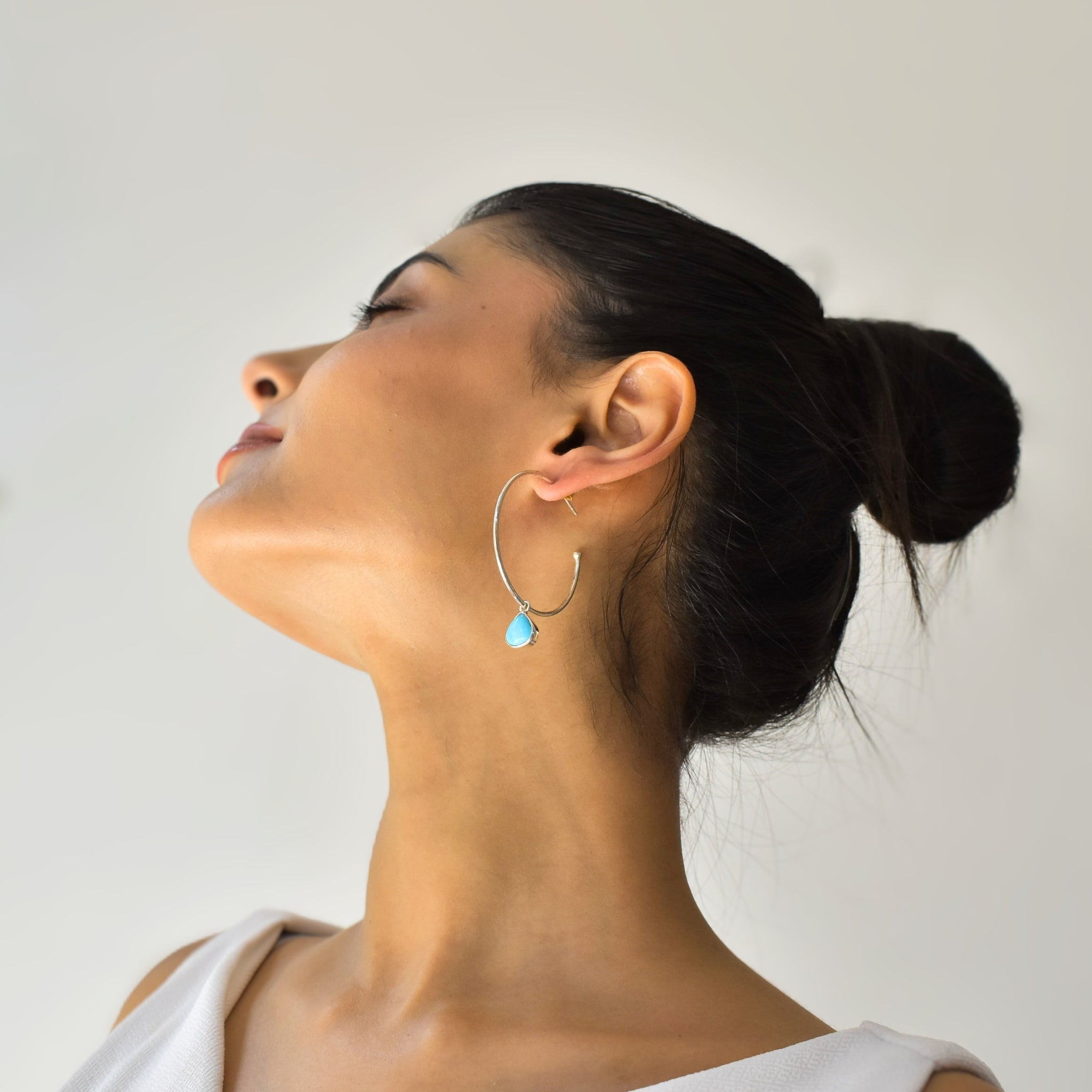
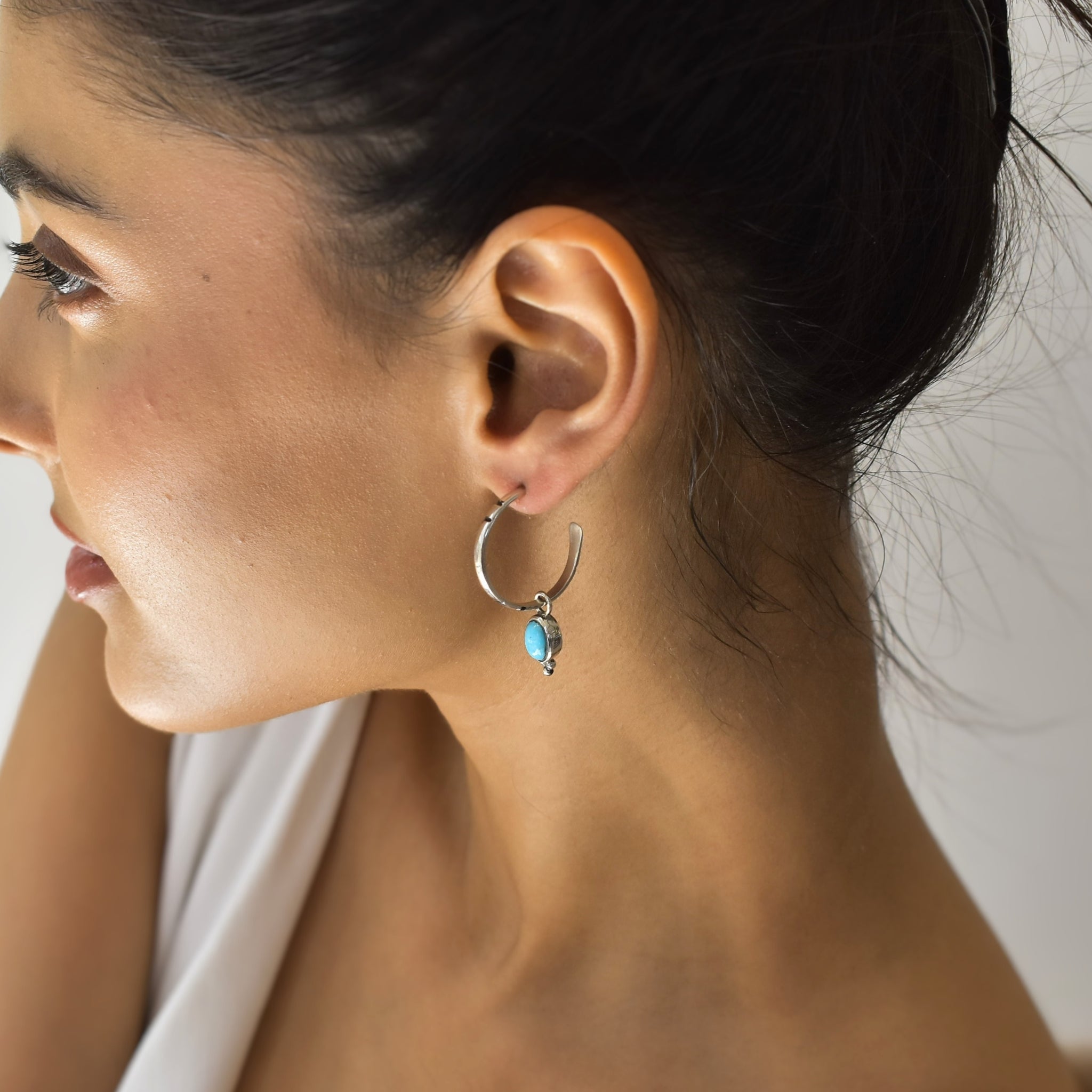
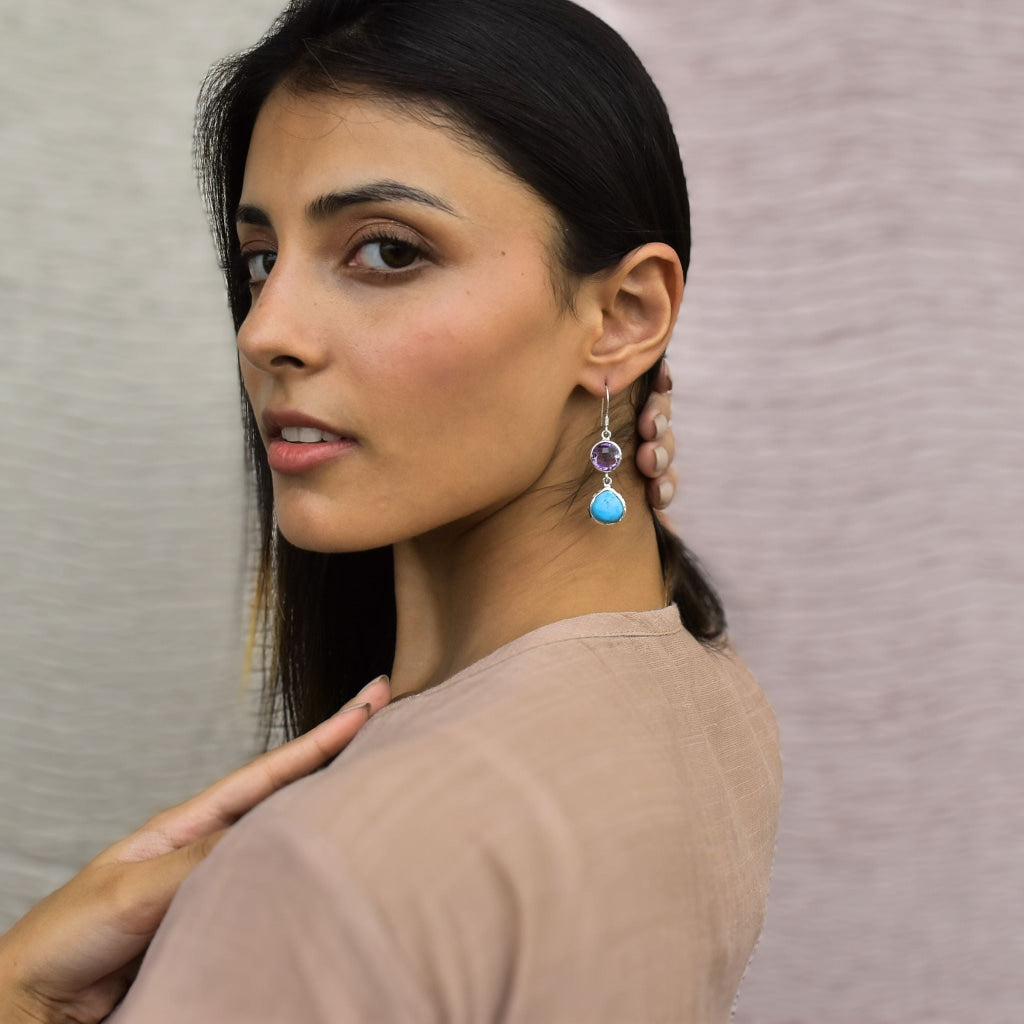
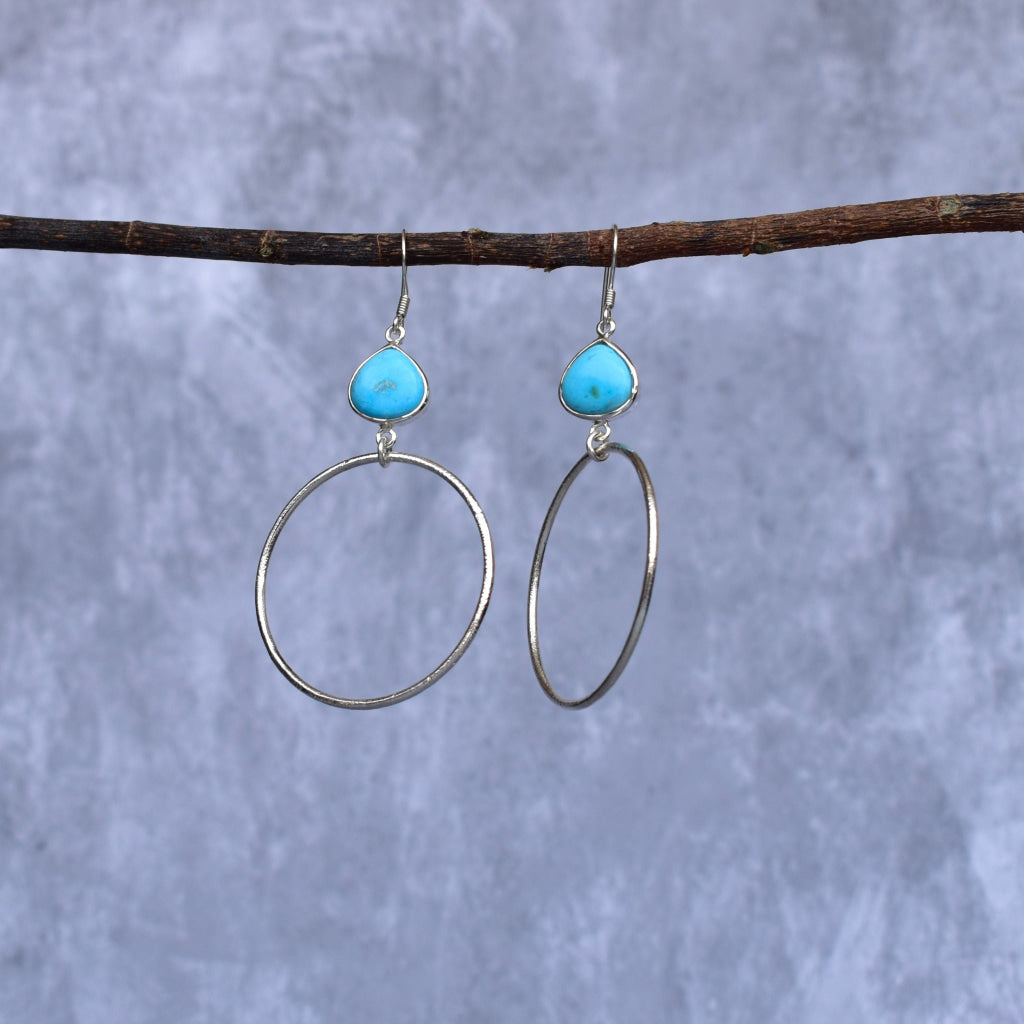
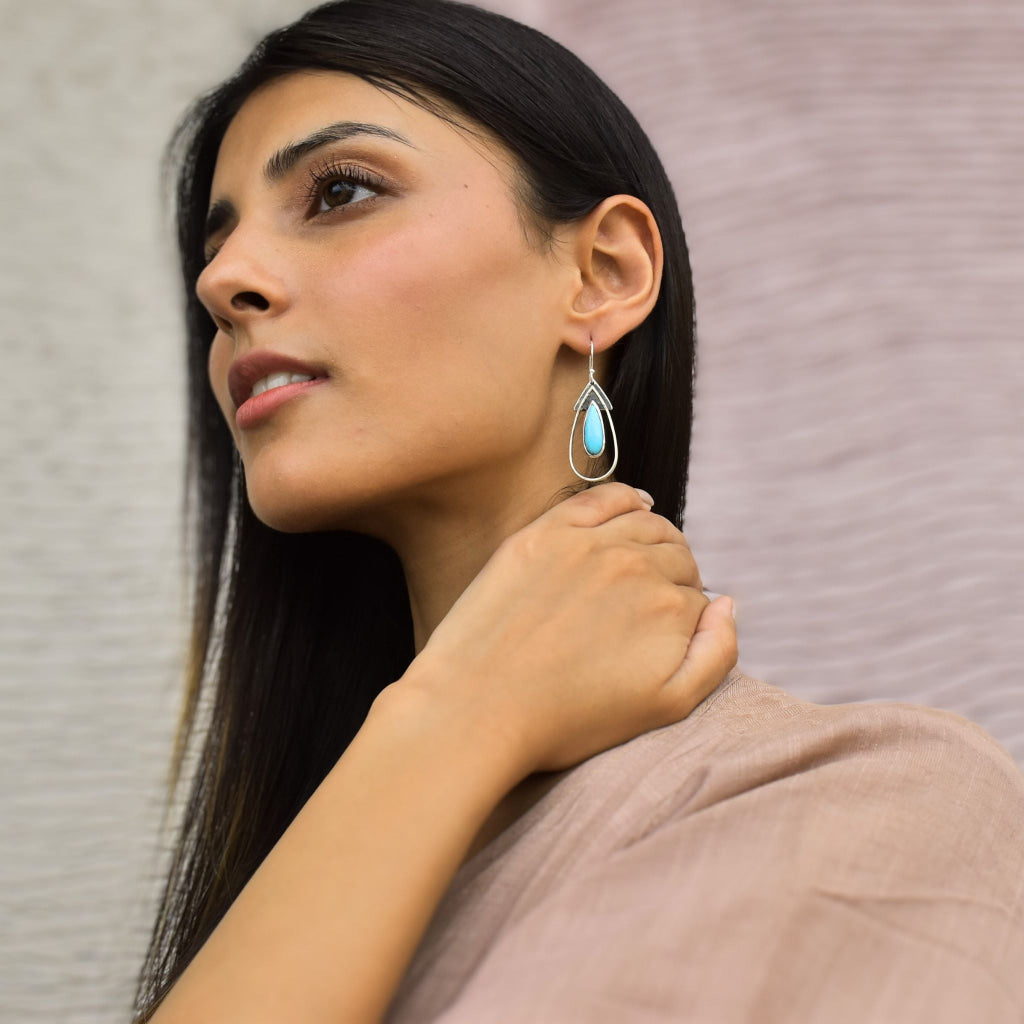
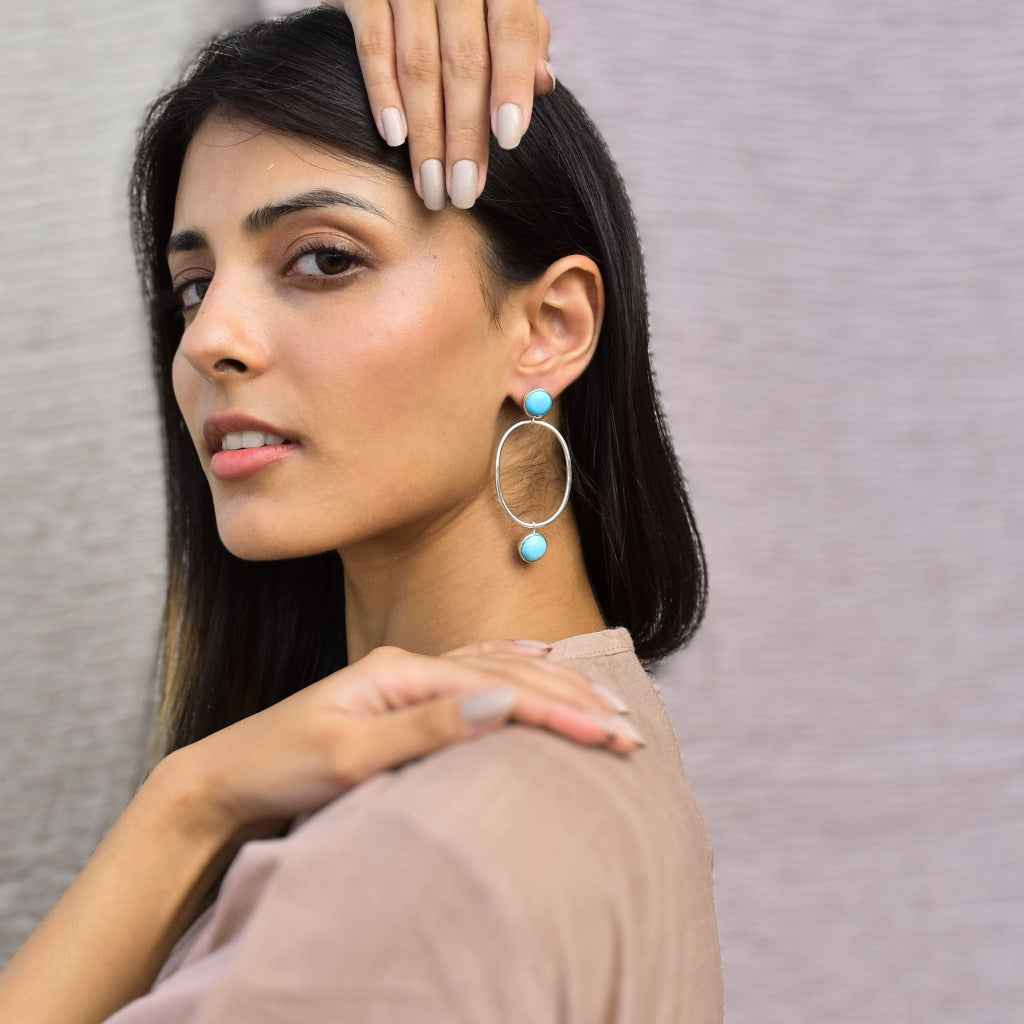
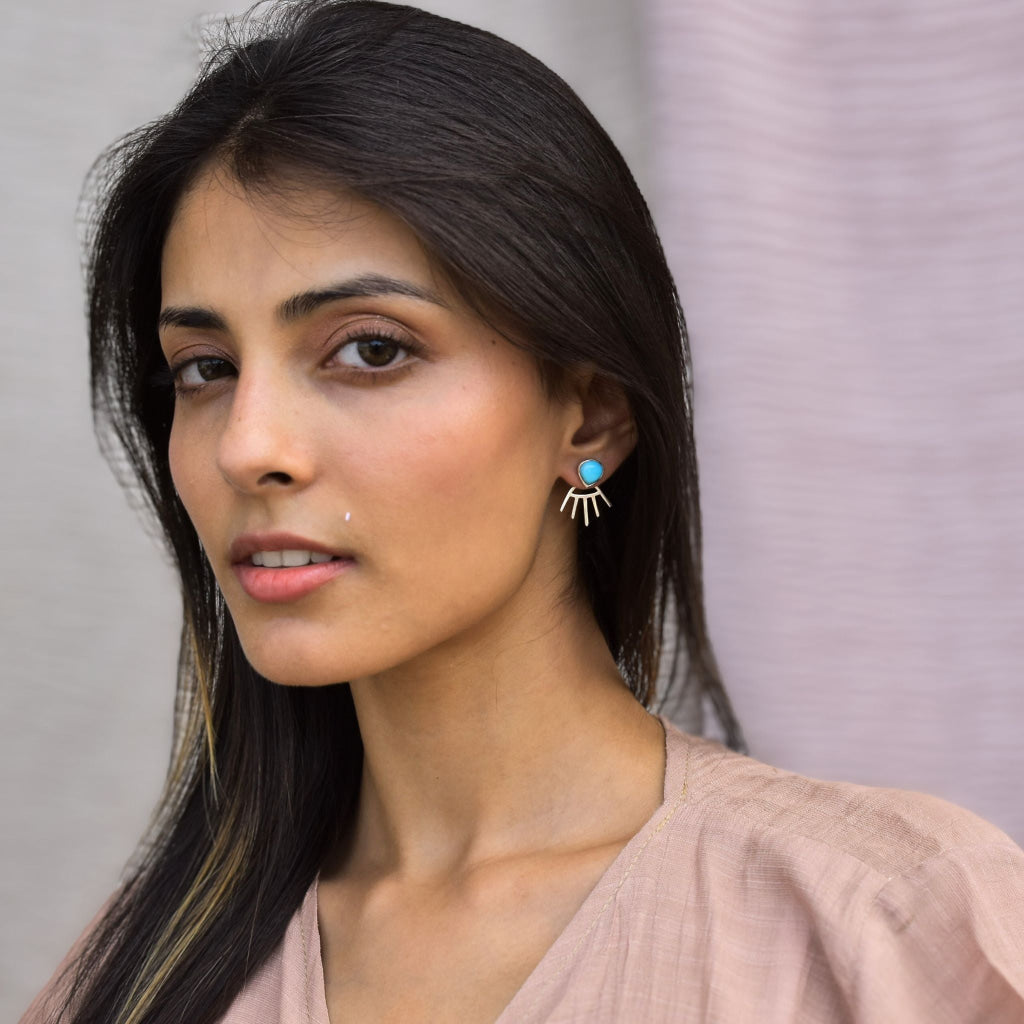
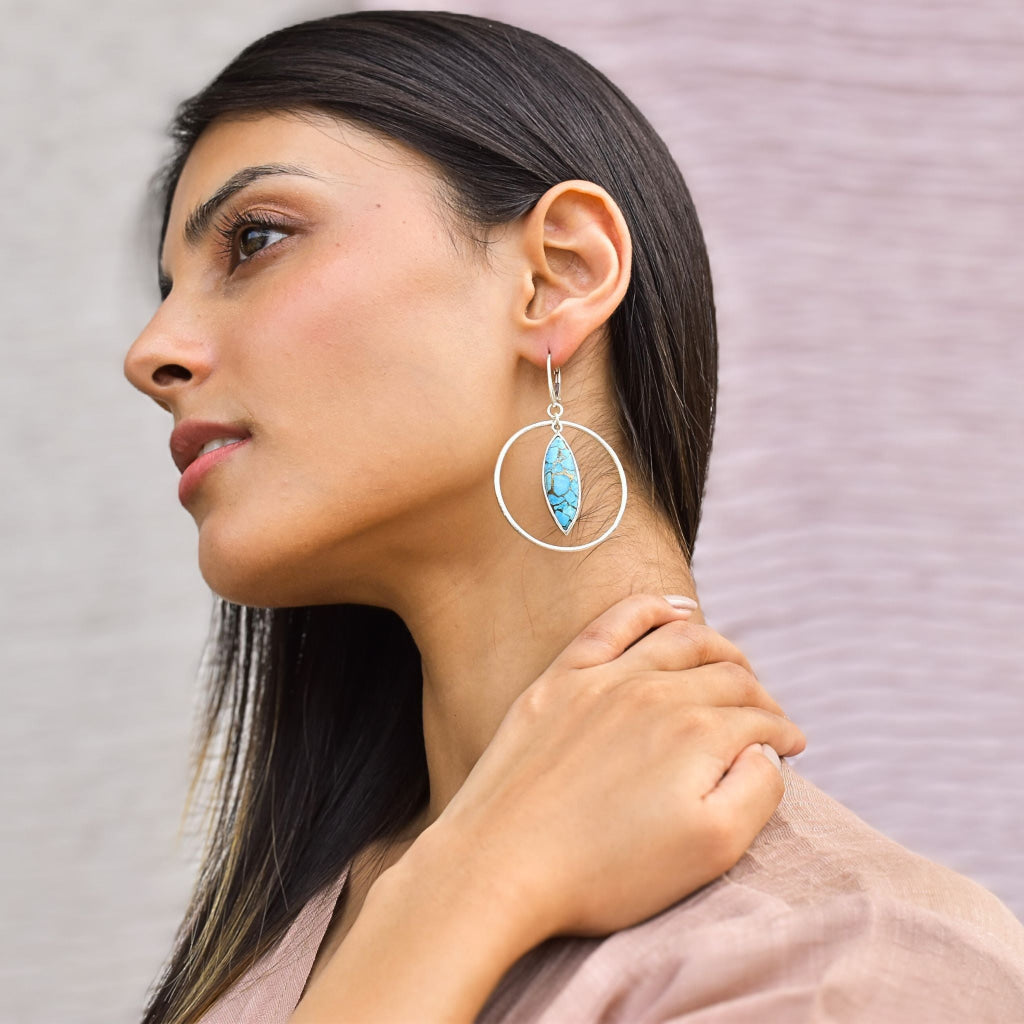
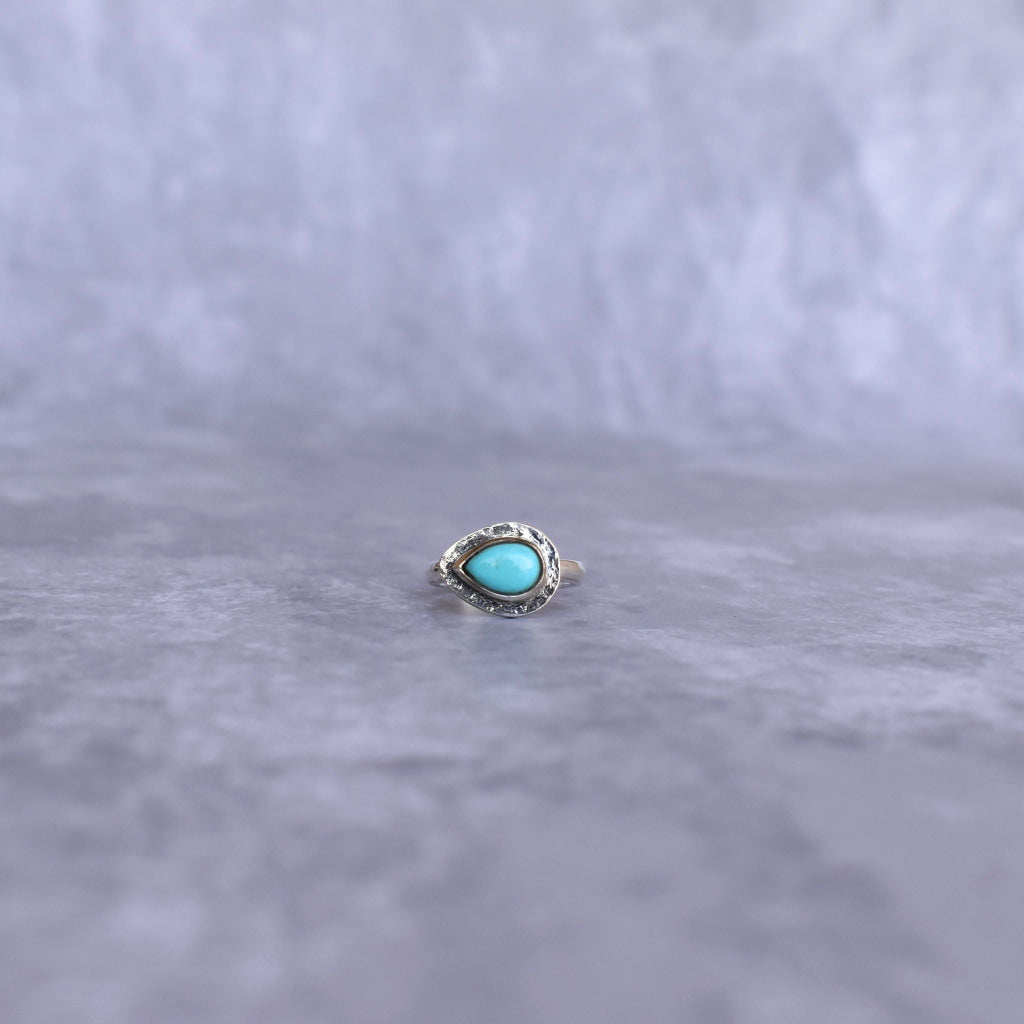
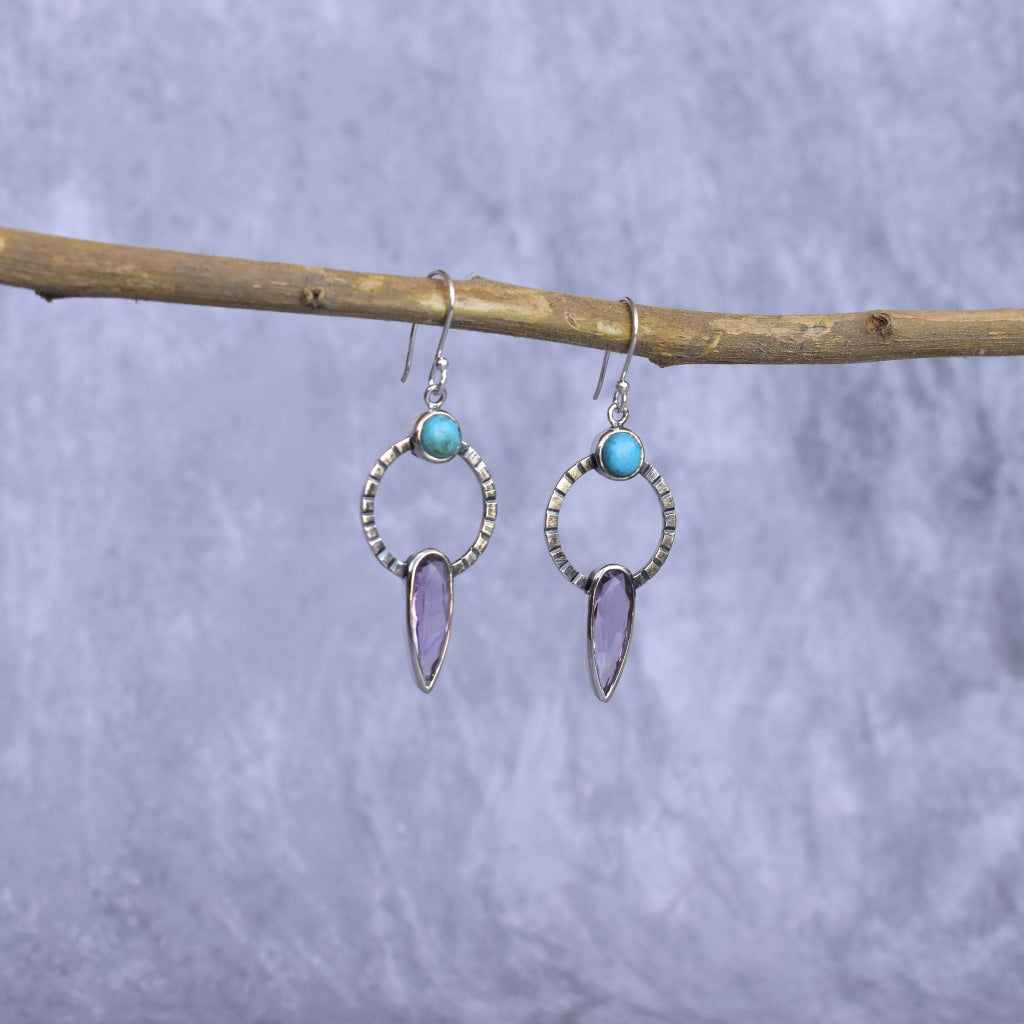
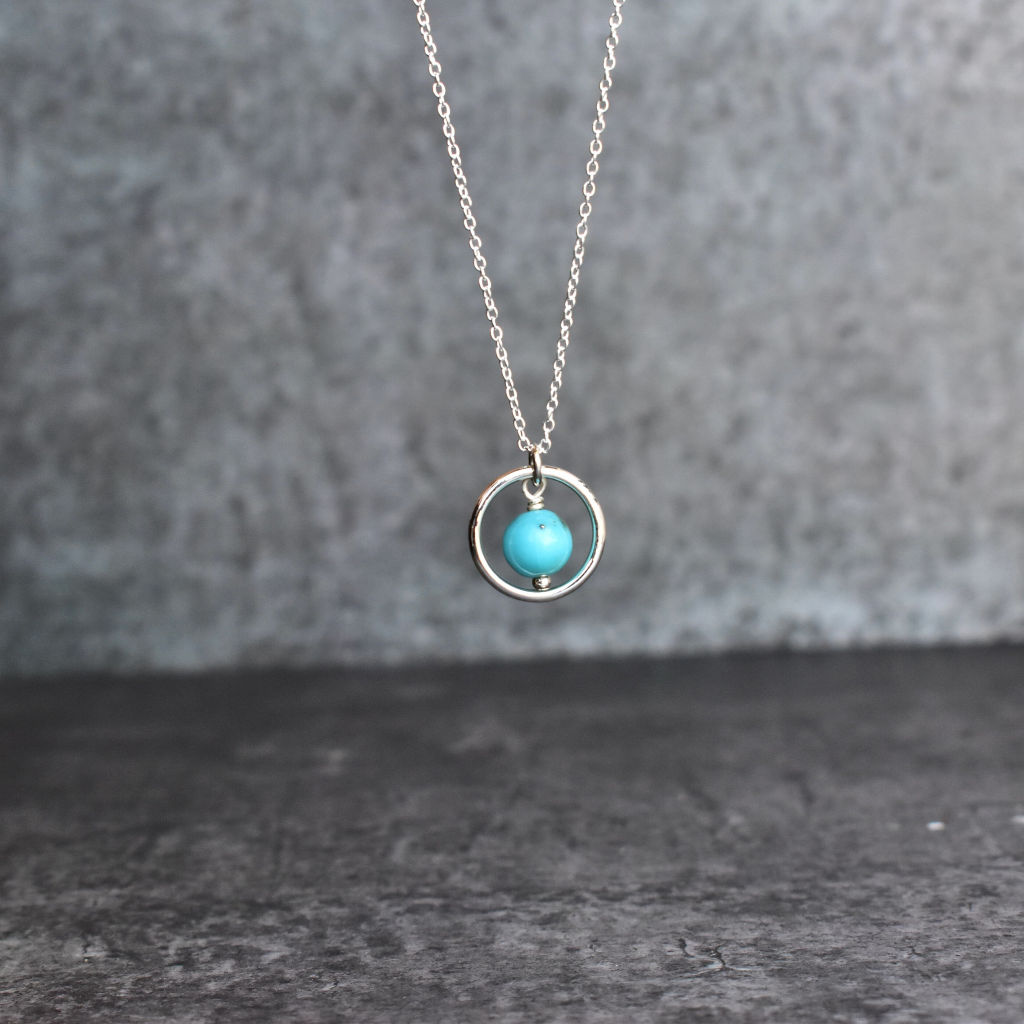
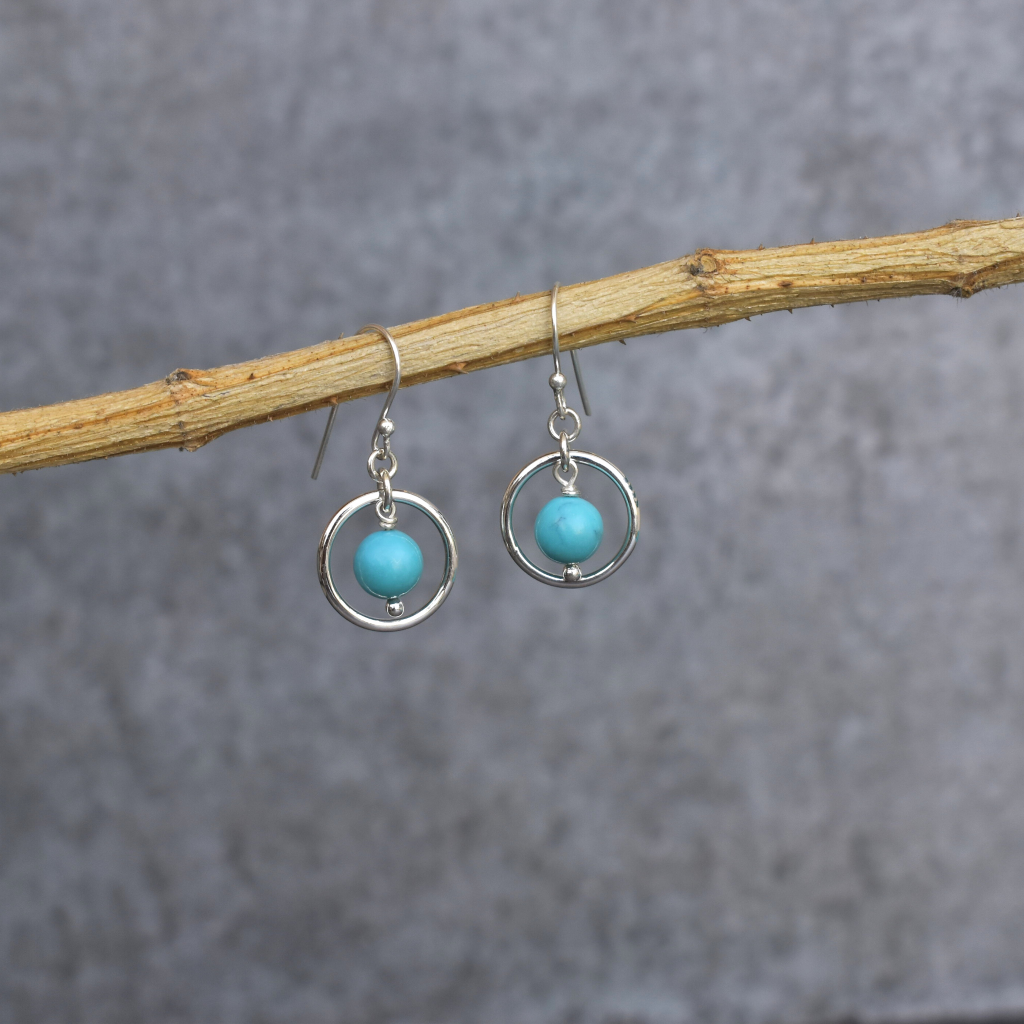
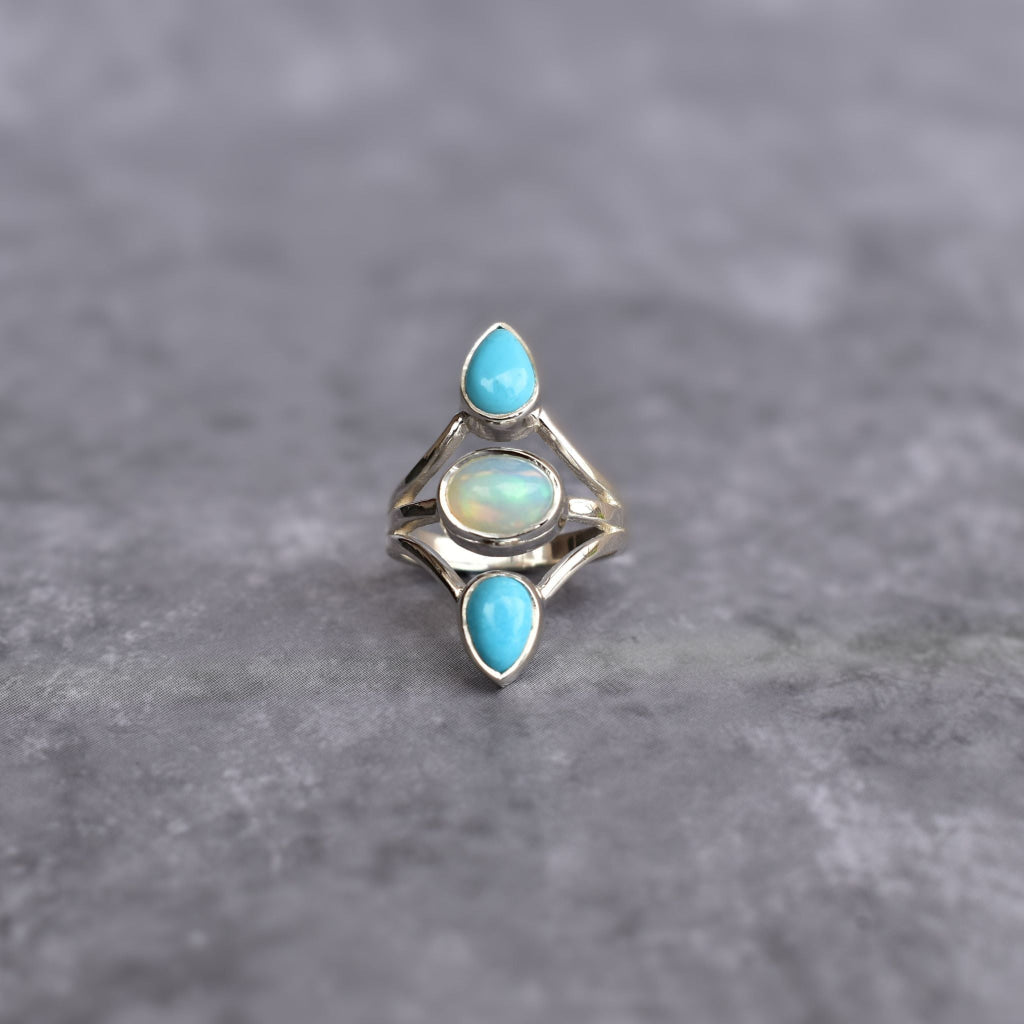
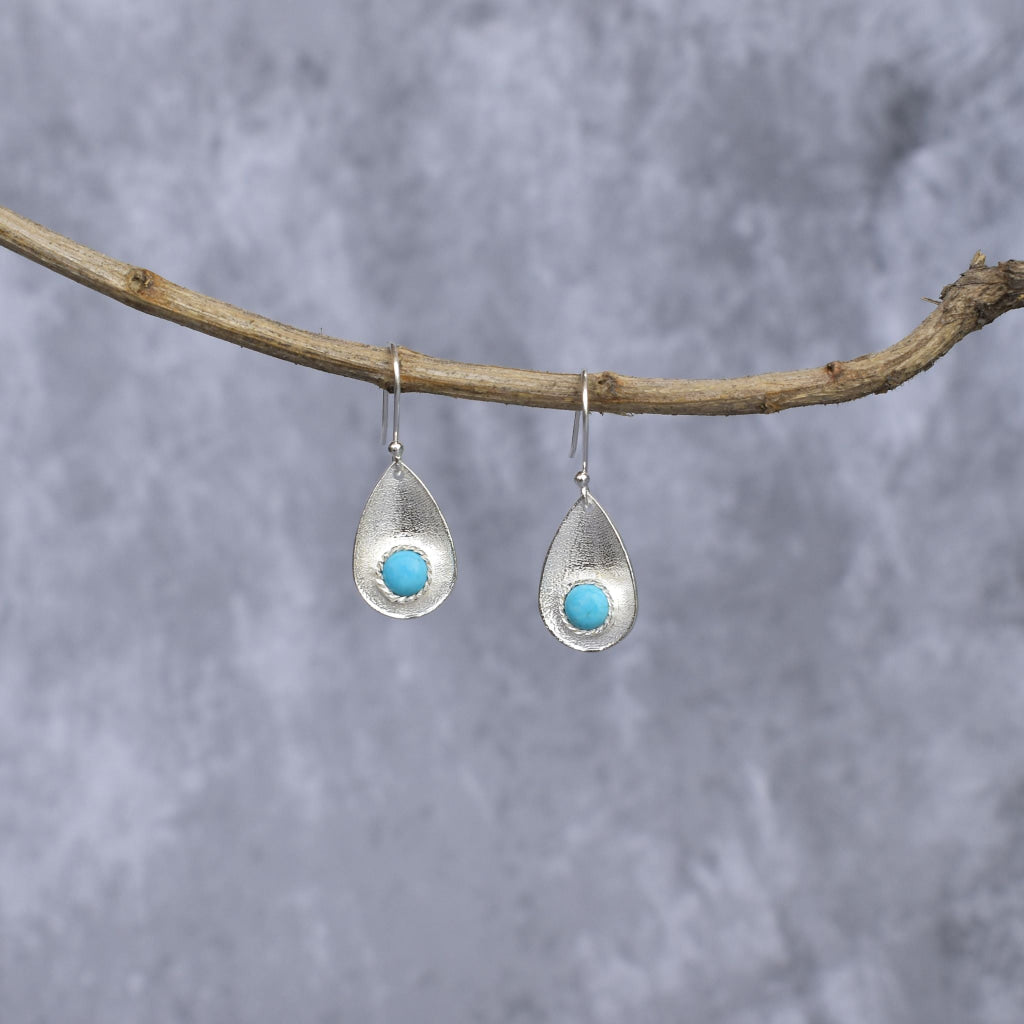
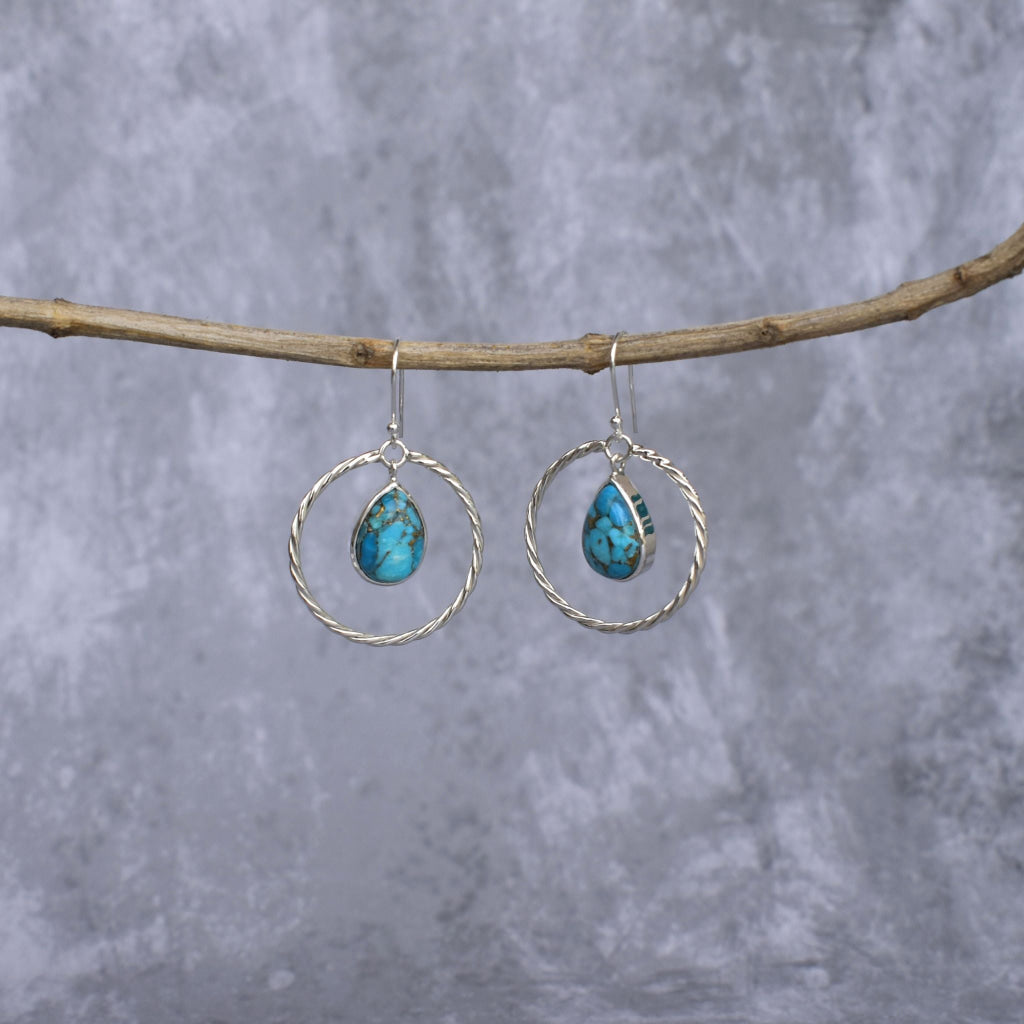
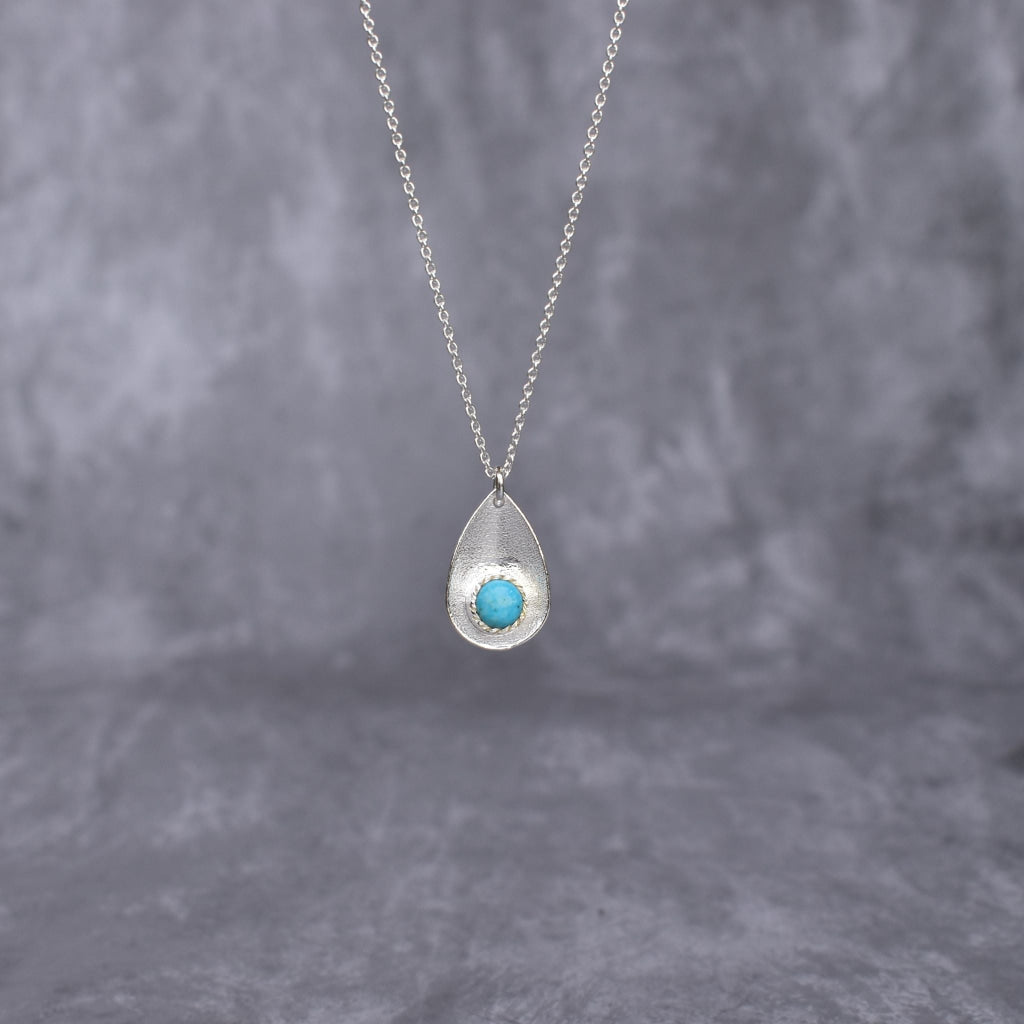
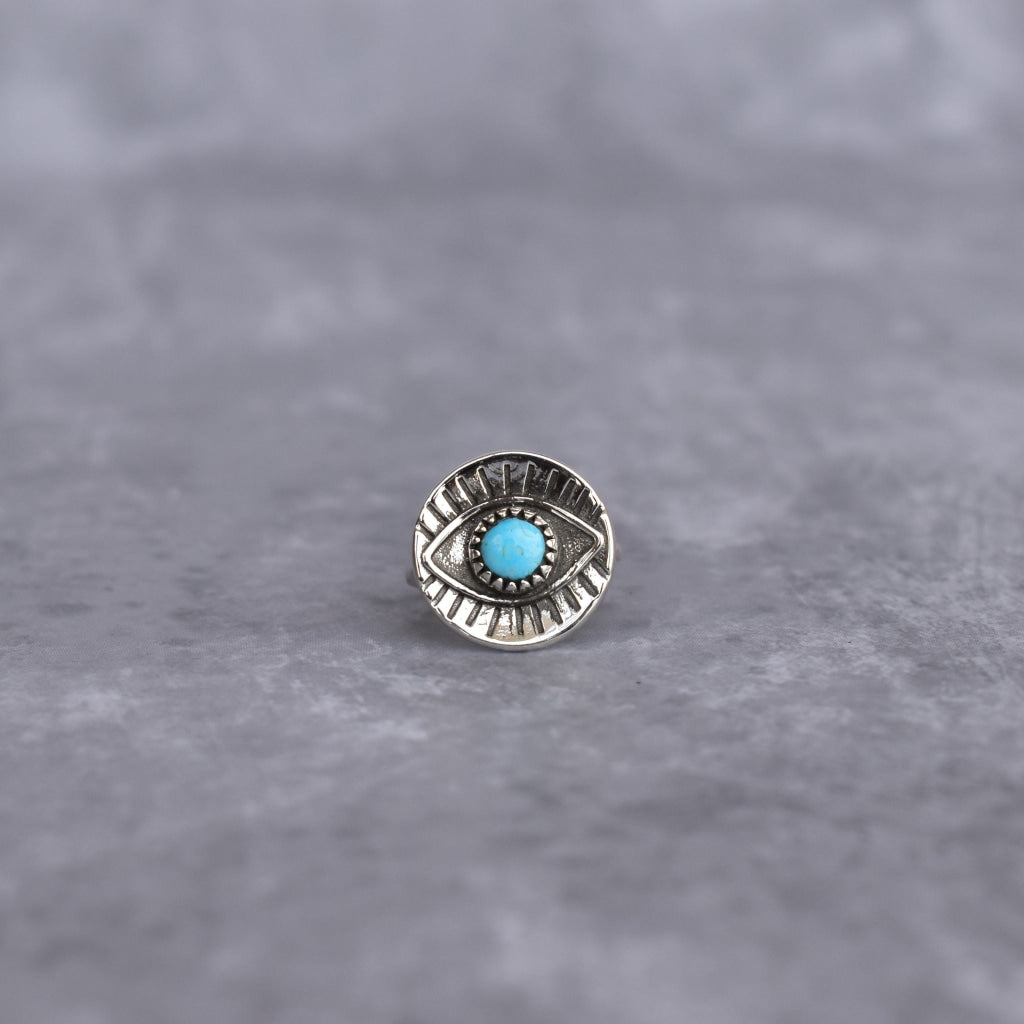
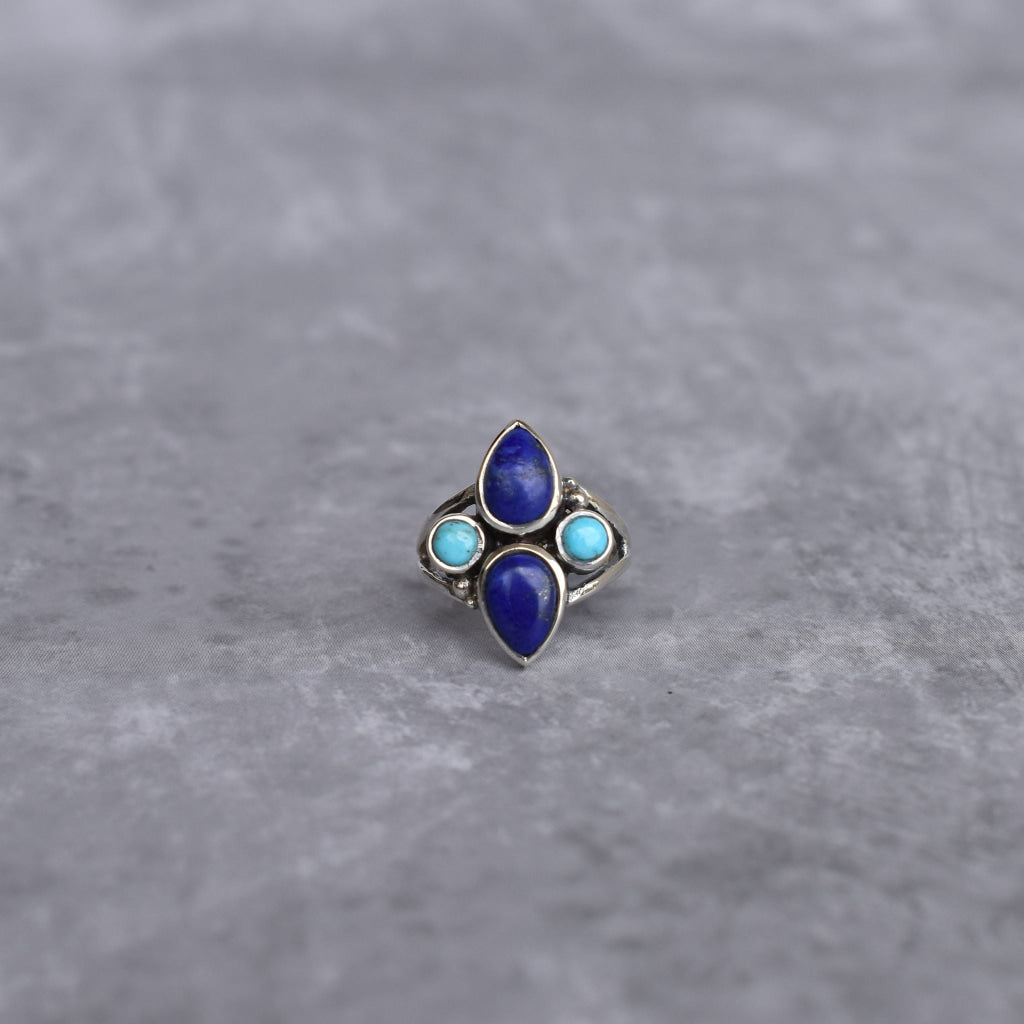
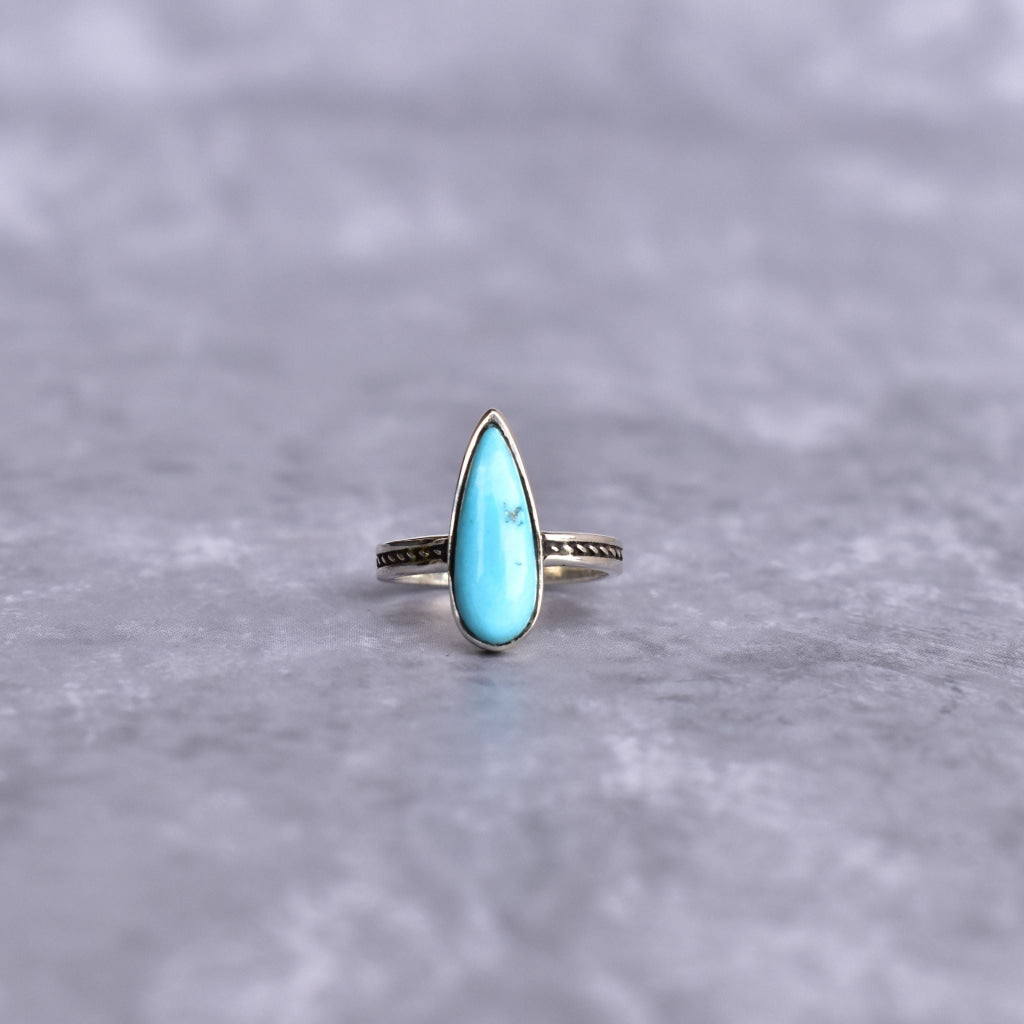
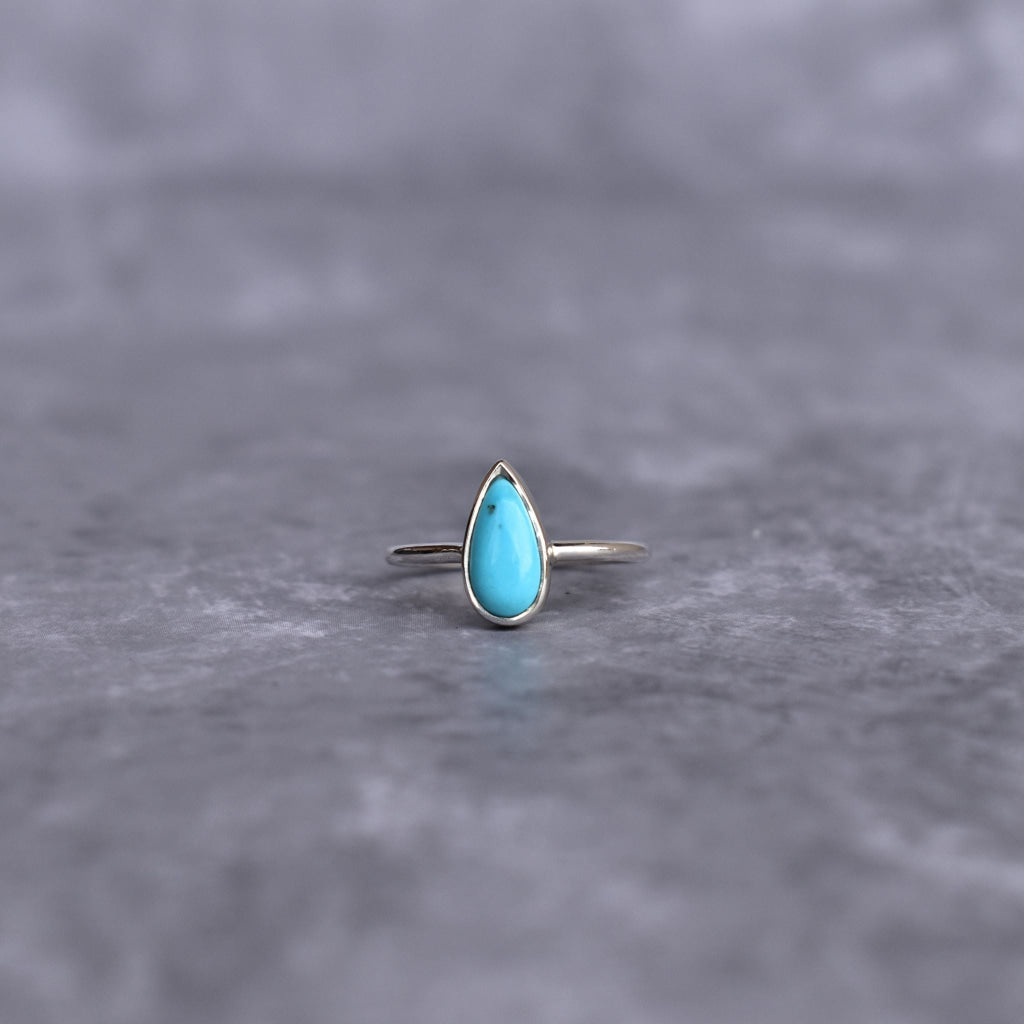
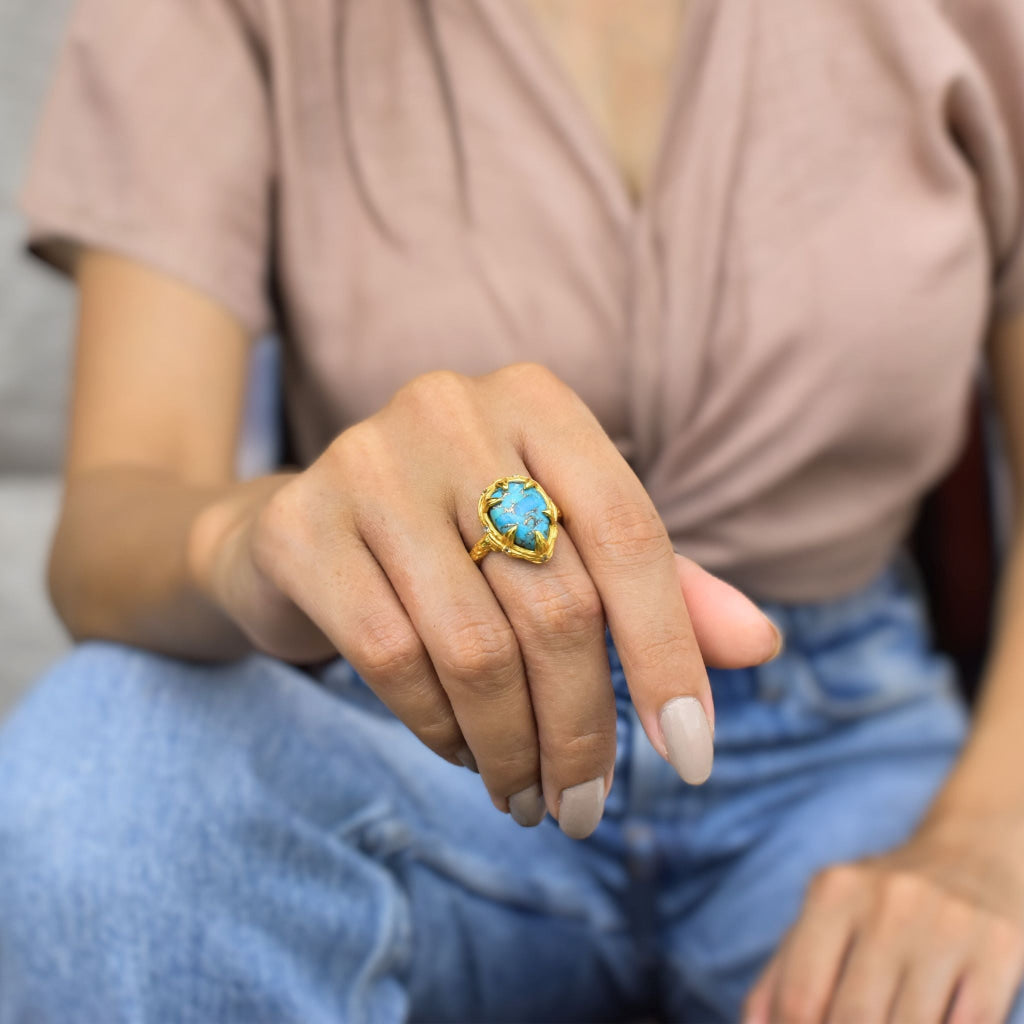
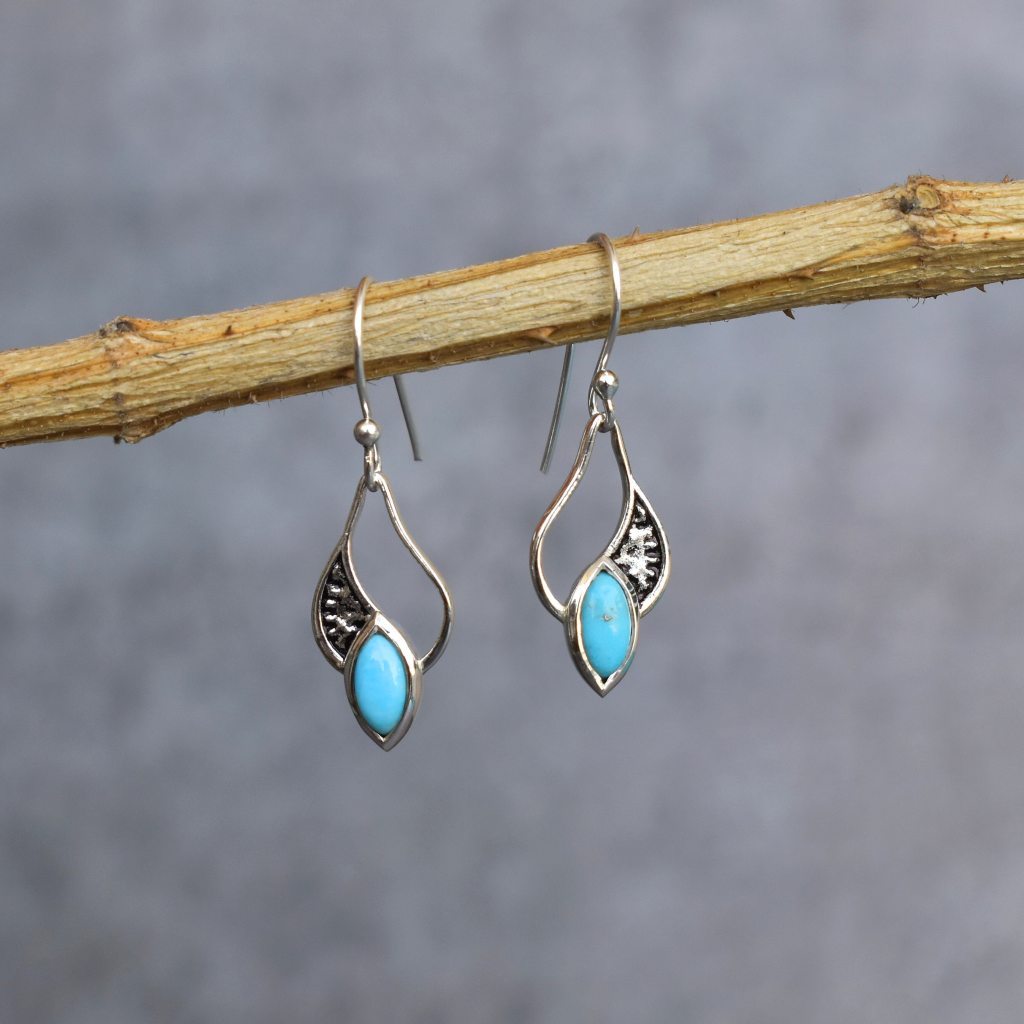
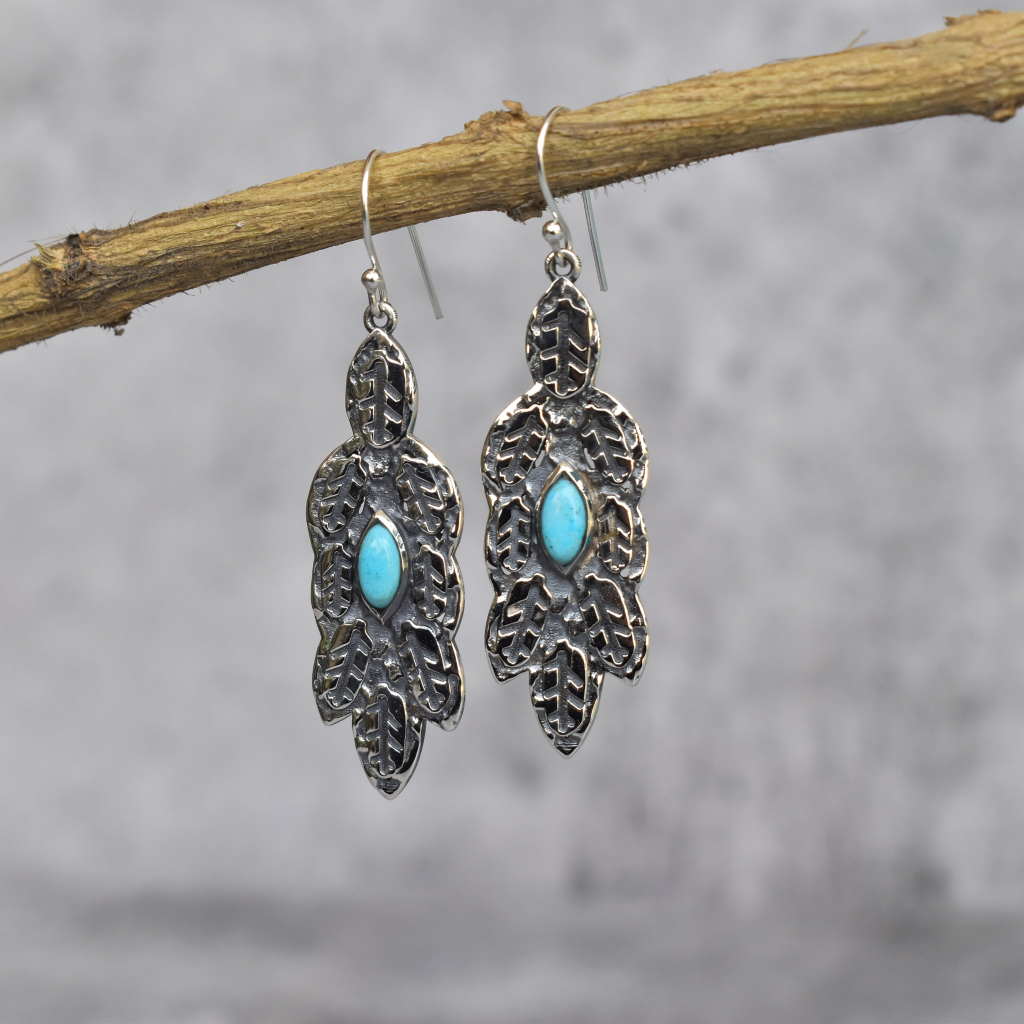
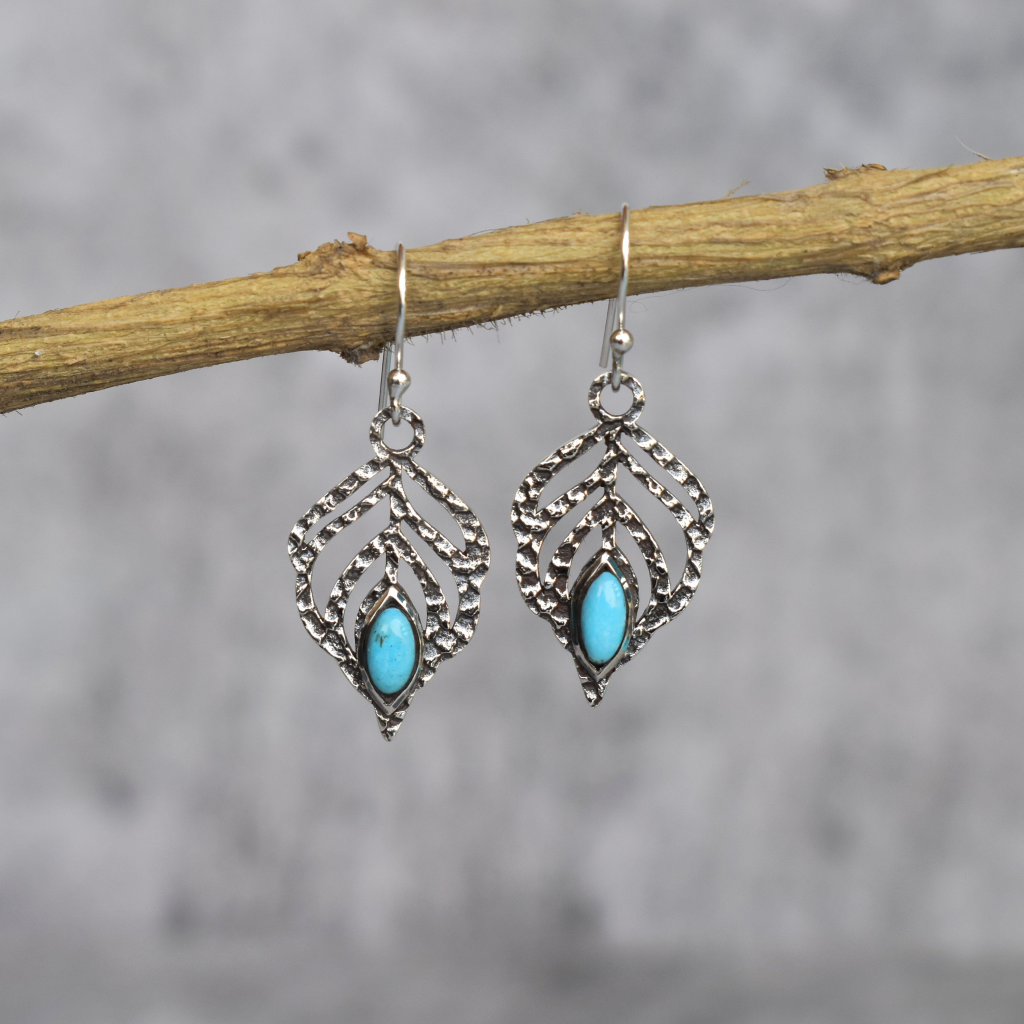
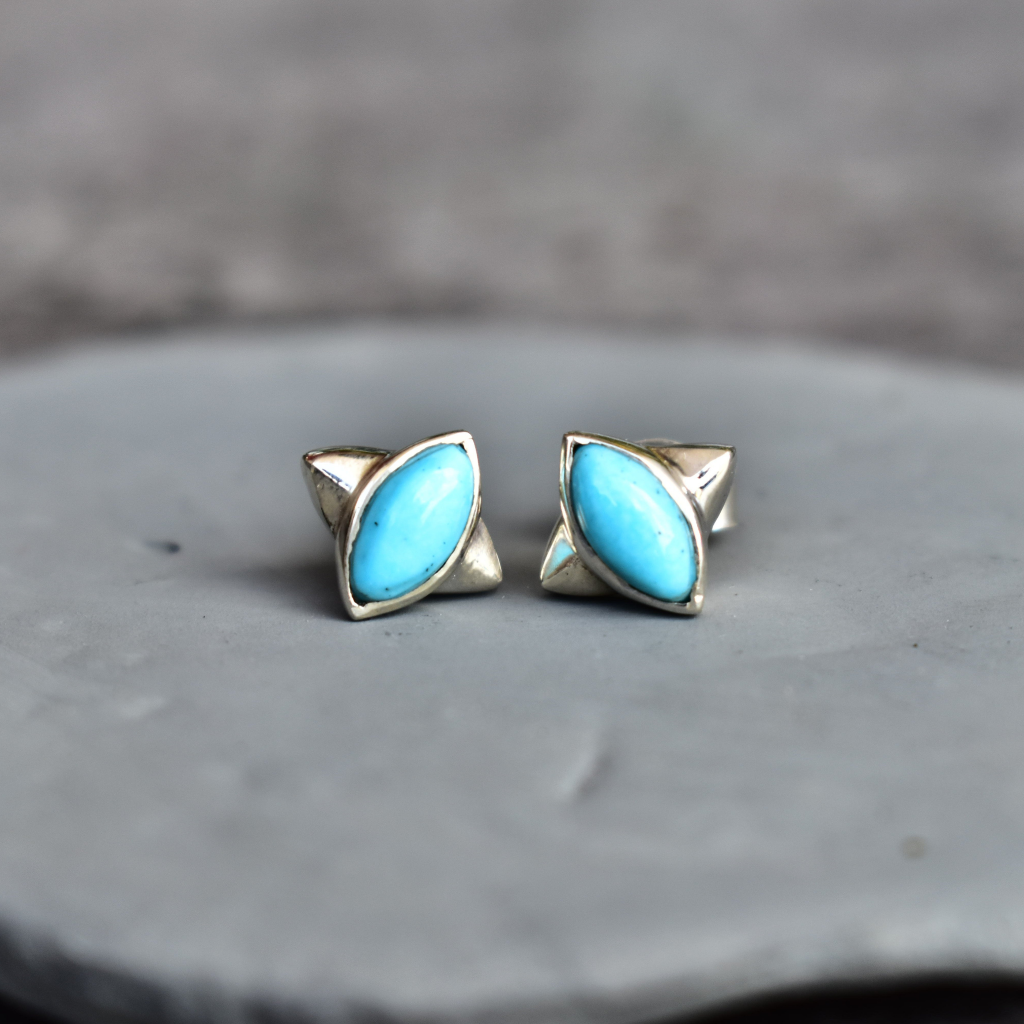
Buy Turquoise Jewellery Online
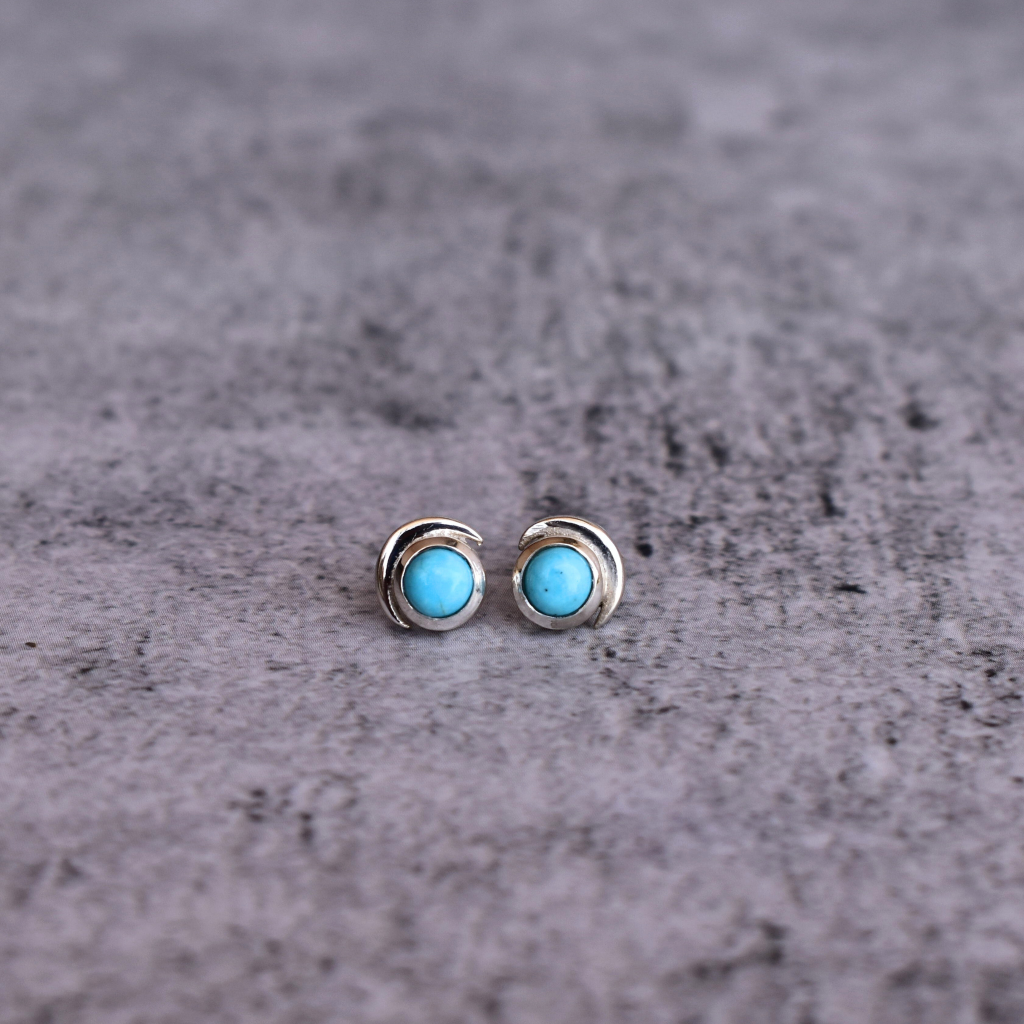
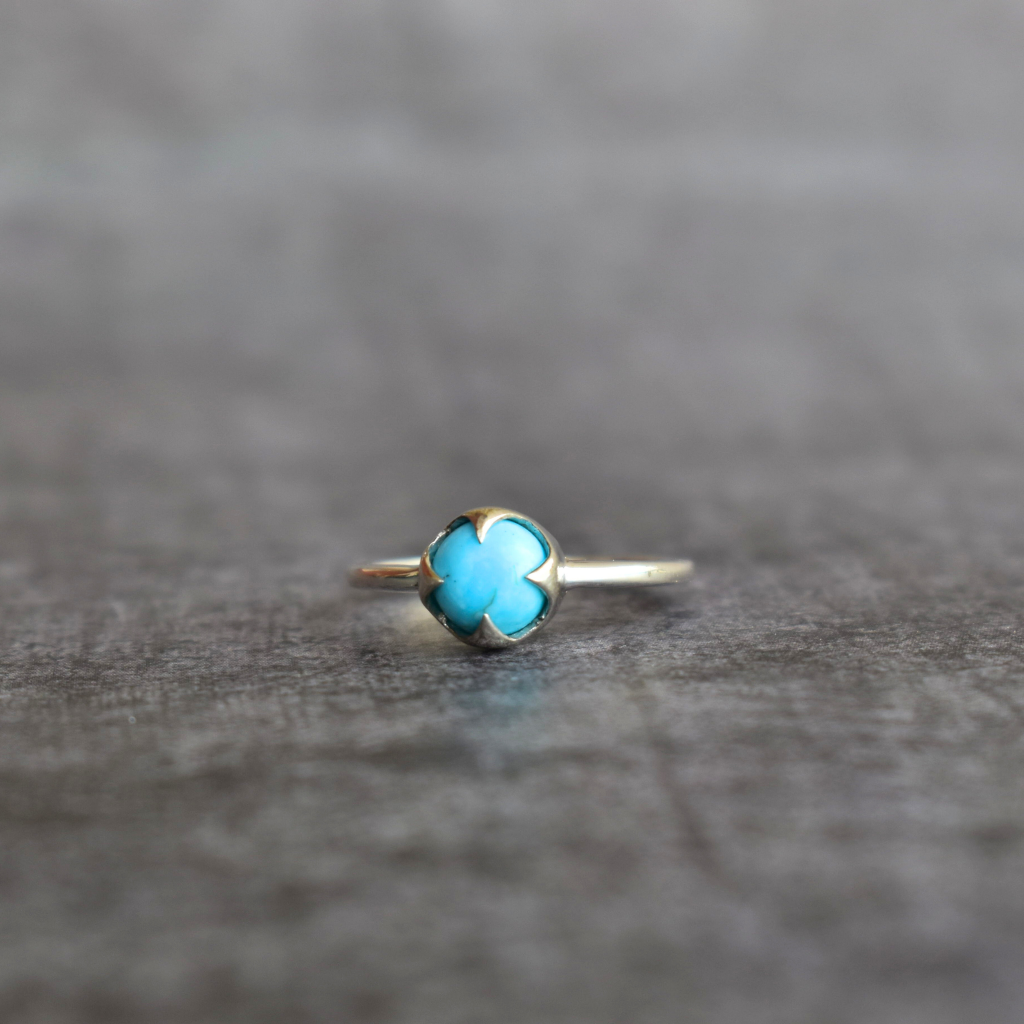
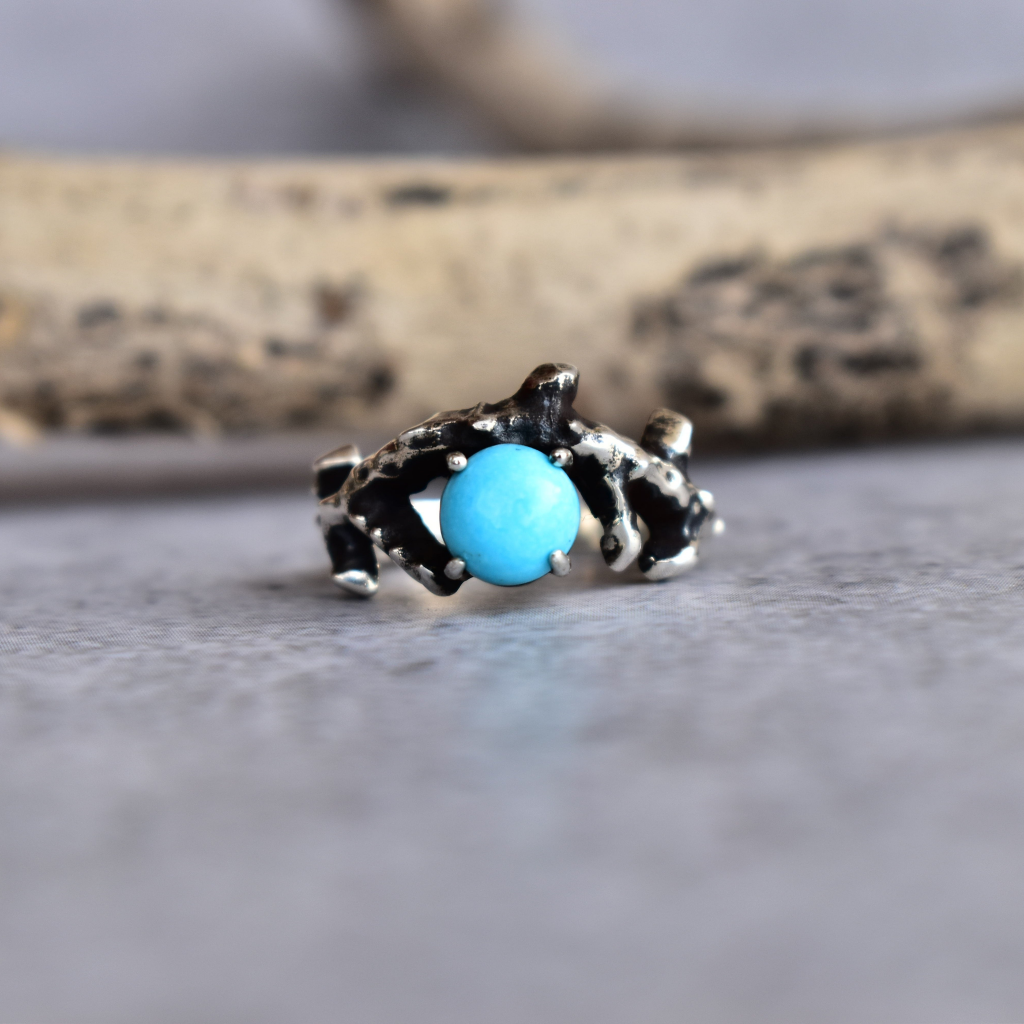
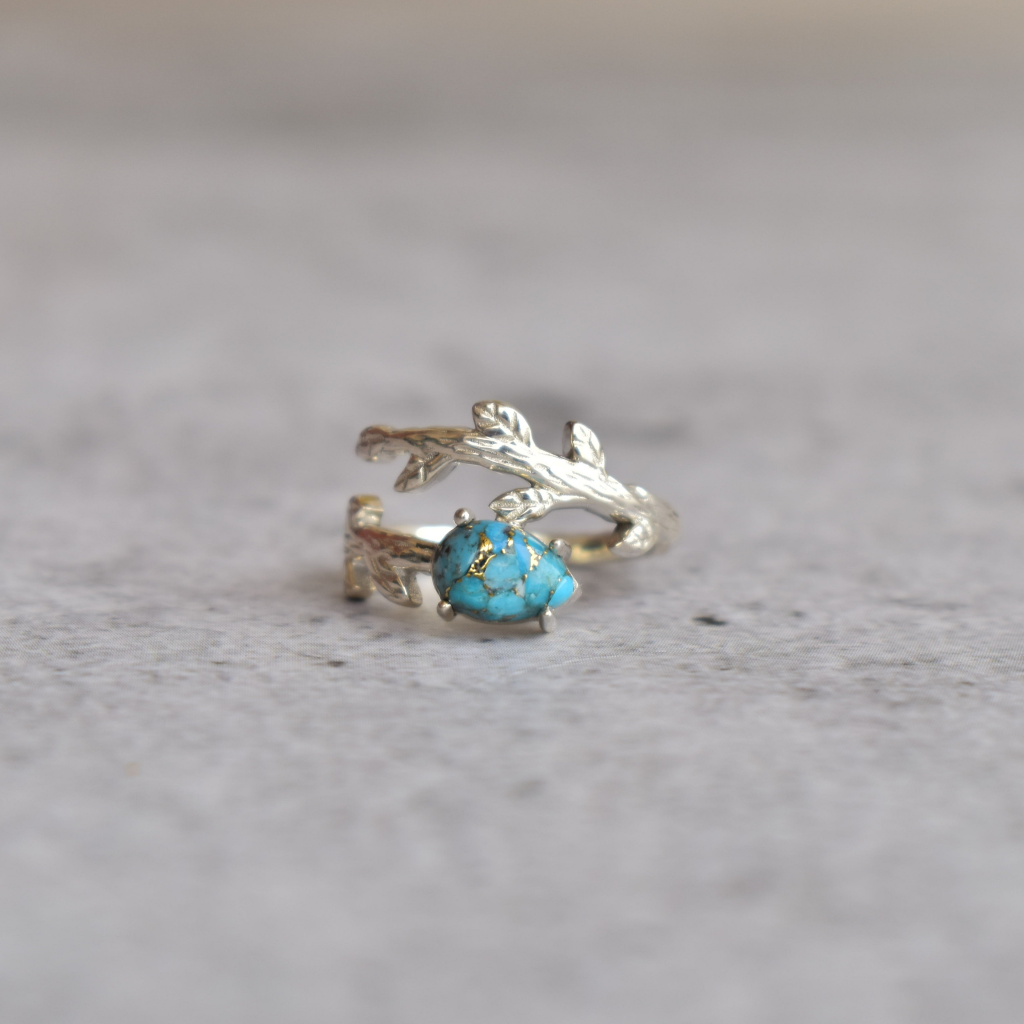
Turquoise, known in India as firoza or feroza, is one of the oldest gemstones worn for luck and protection. Keeta Luxury's turquoise jewellery includes bead bracelets, rings, earrings and necklaces, with natural copper turquoise from Arizona set in 925 sterling silver and selected pieces in 14K gold vermeil. Prices start at Rs. 1,100 for a bead bracelet and go up to Rs. 6,670 for statement earrings.
Every order ships free across India with 14-day returns, and bracelets can be resized for free.
Shop Turquoise Jewellery by Type
| Type | Price range | Popular picks |
|---|---|---|
| Turquoise bracelets | Rs. 1,100 to 2,500 | Copper Sky, Mindful Serenity, Spiritual Shanti |
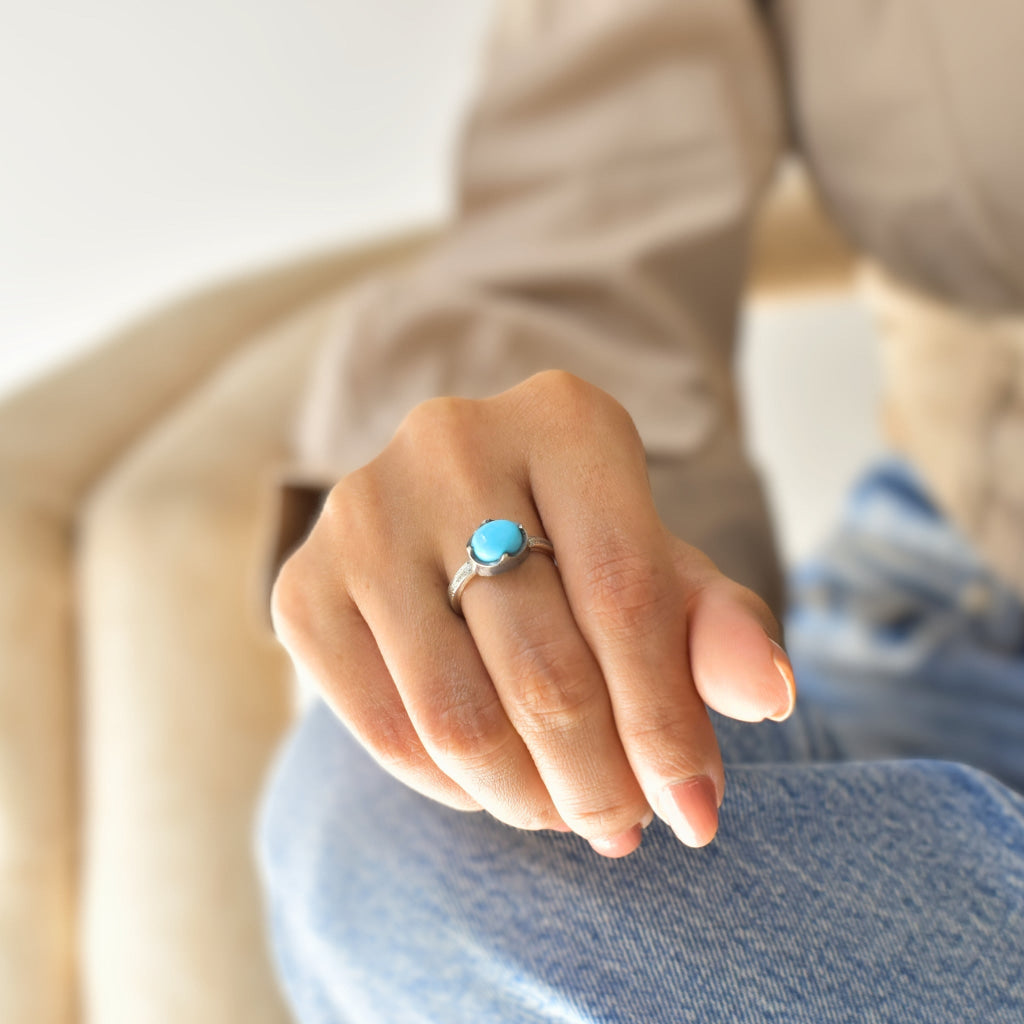
| Turquoise rings | Rs. 3,450 to 5,405 | Cushion Conquer, Majestic, Cushion Beauty |
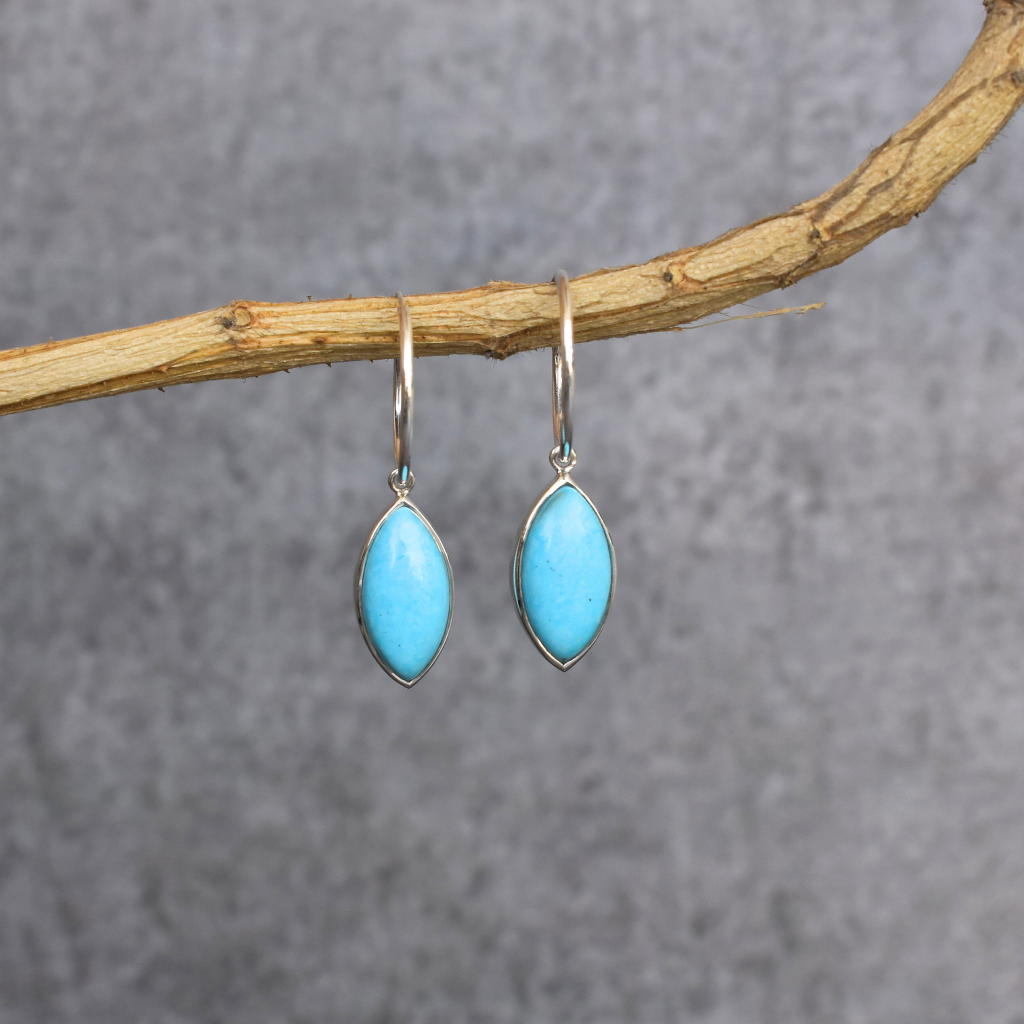
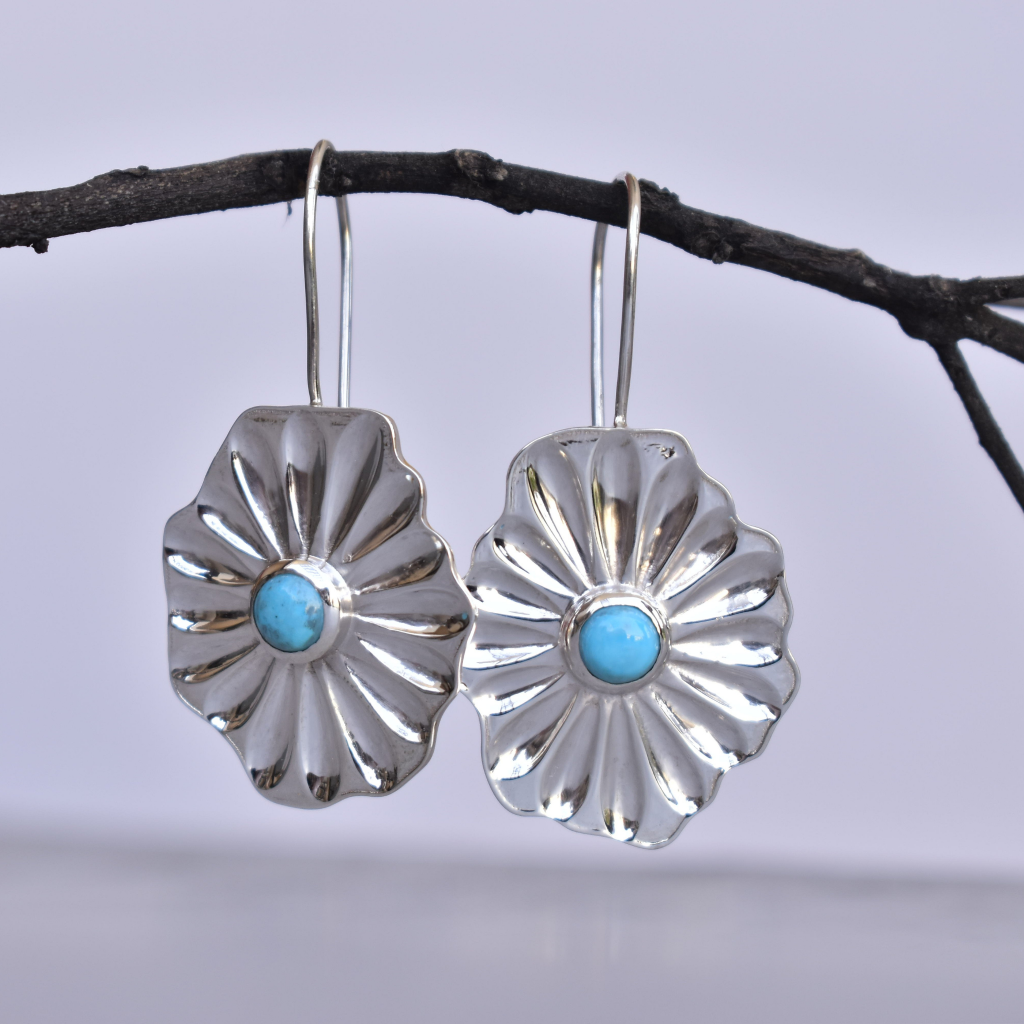
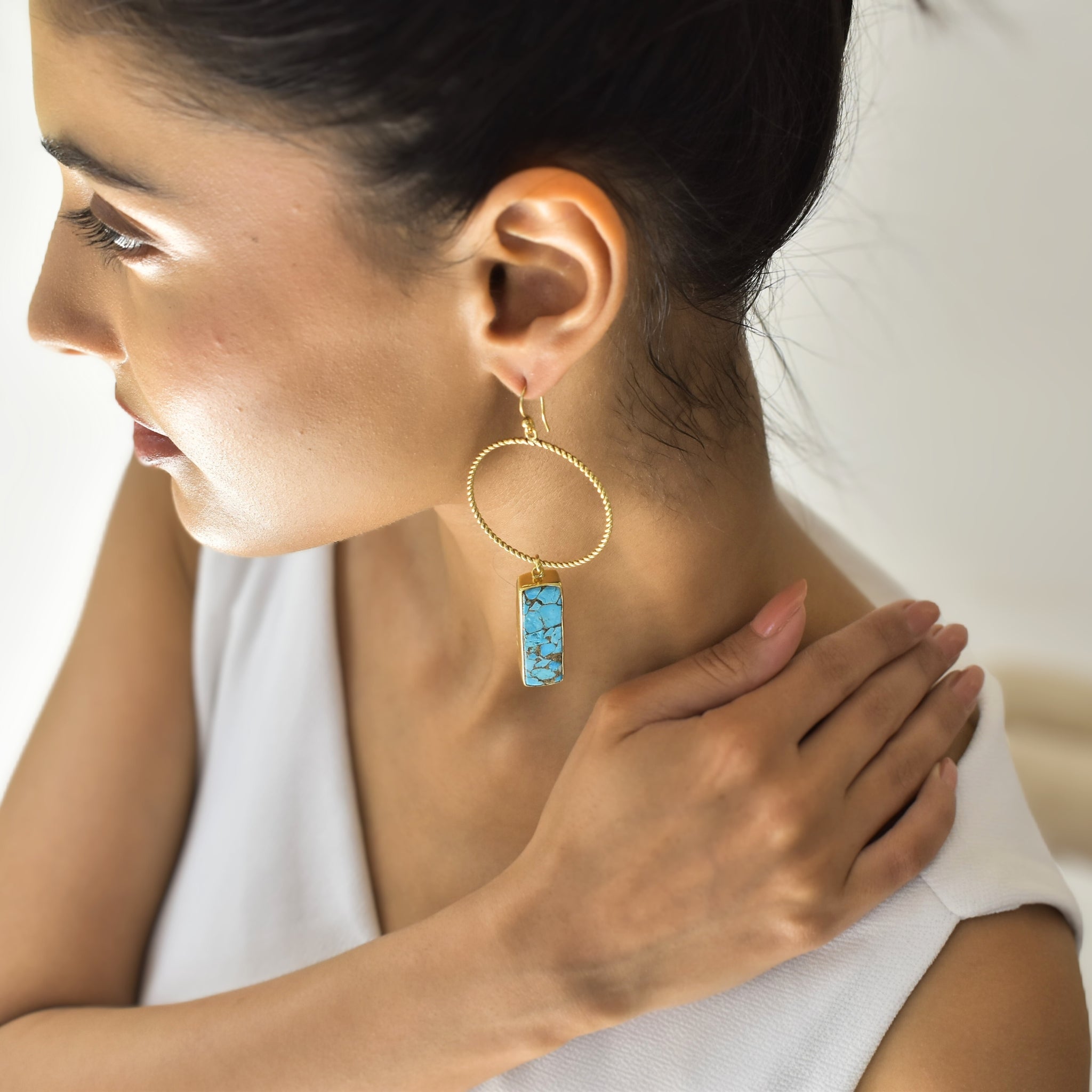
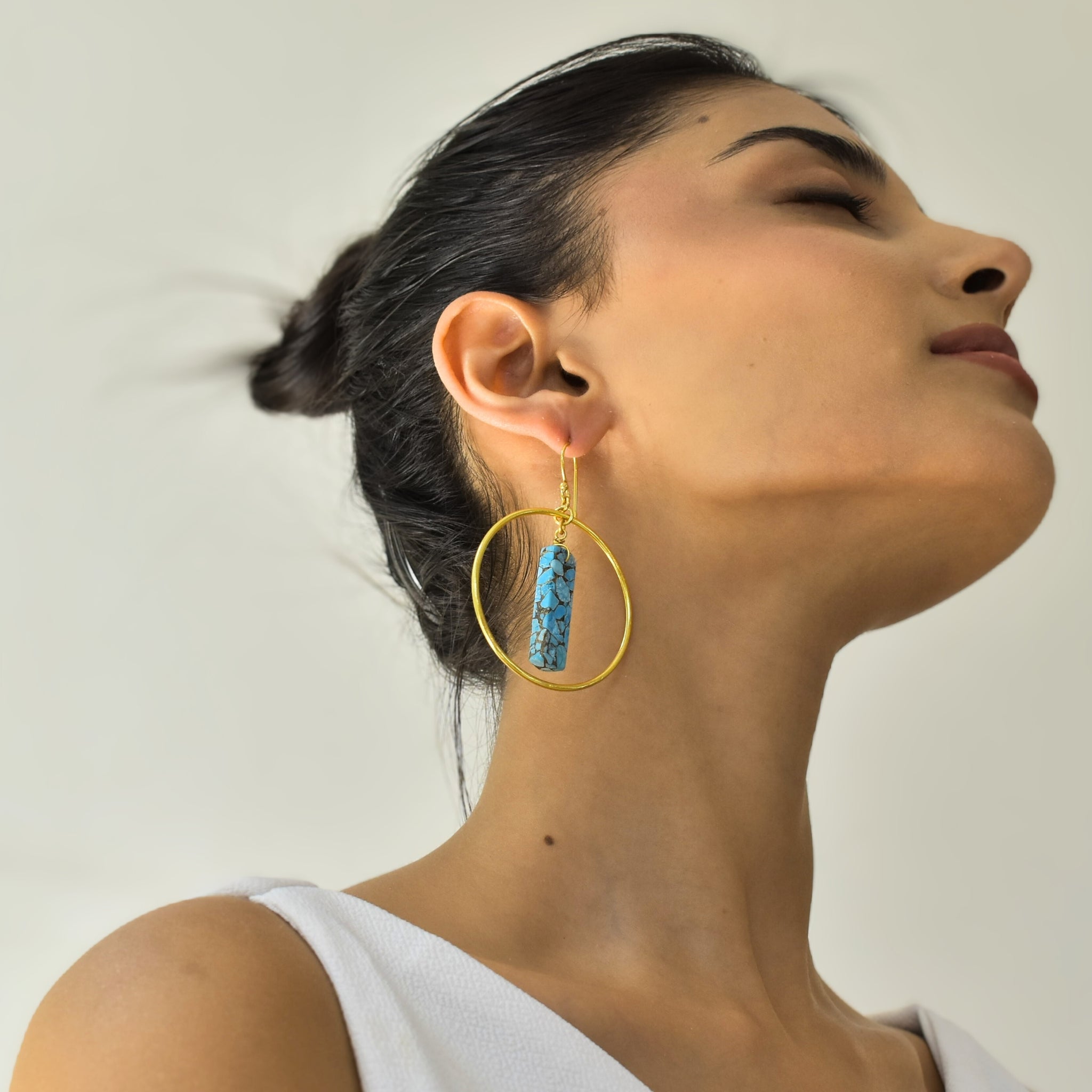
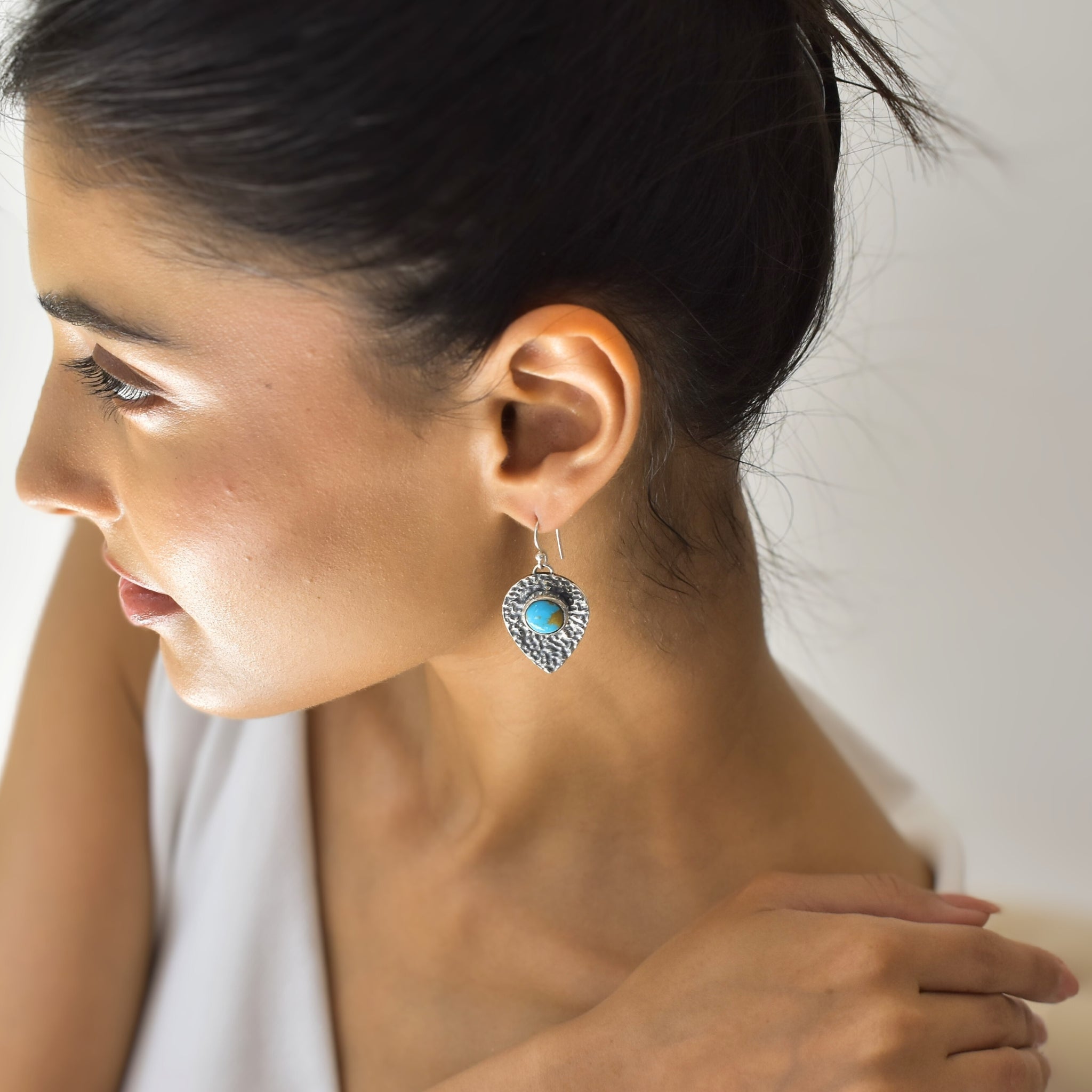
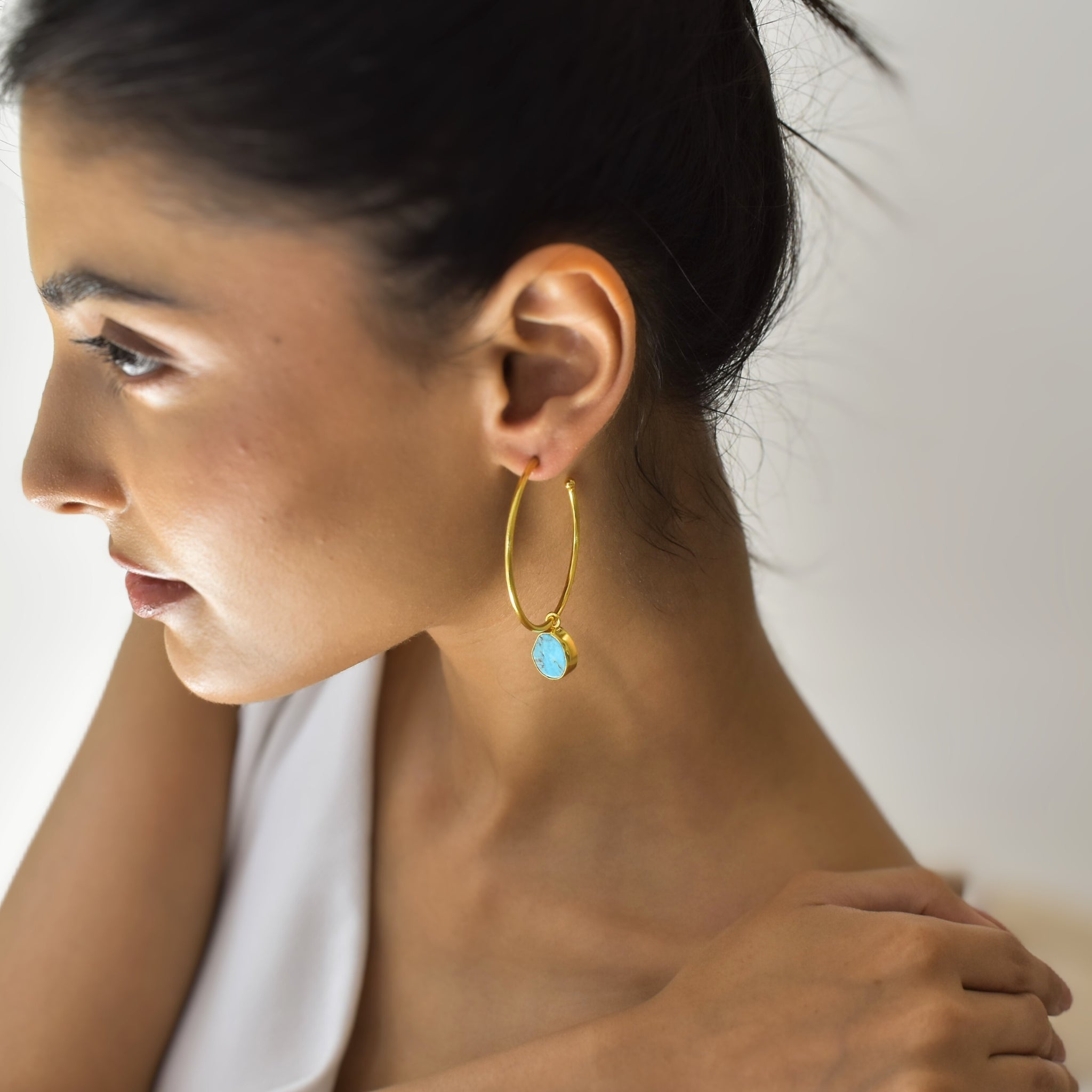
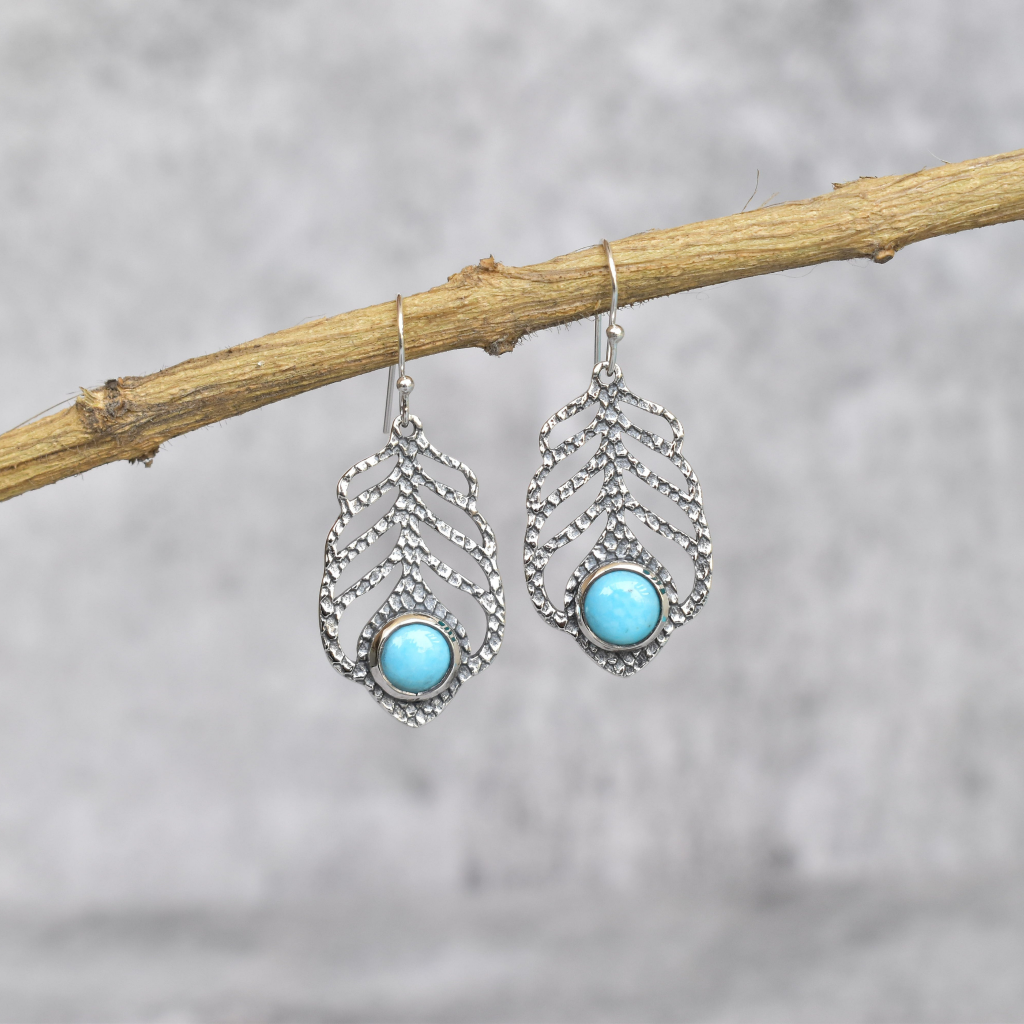
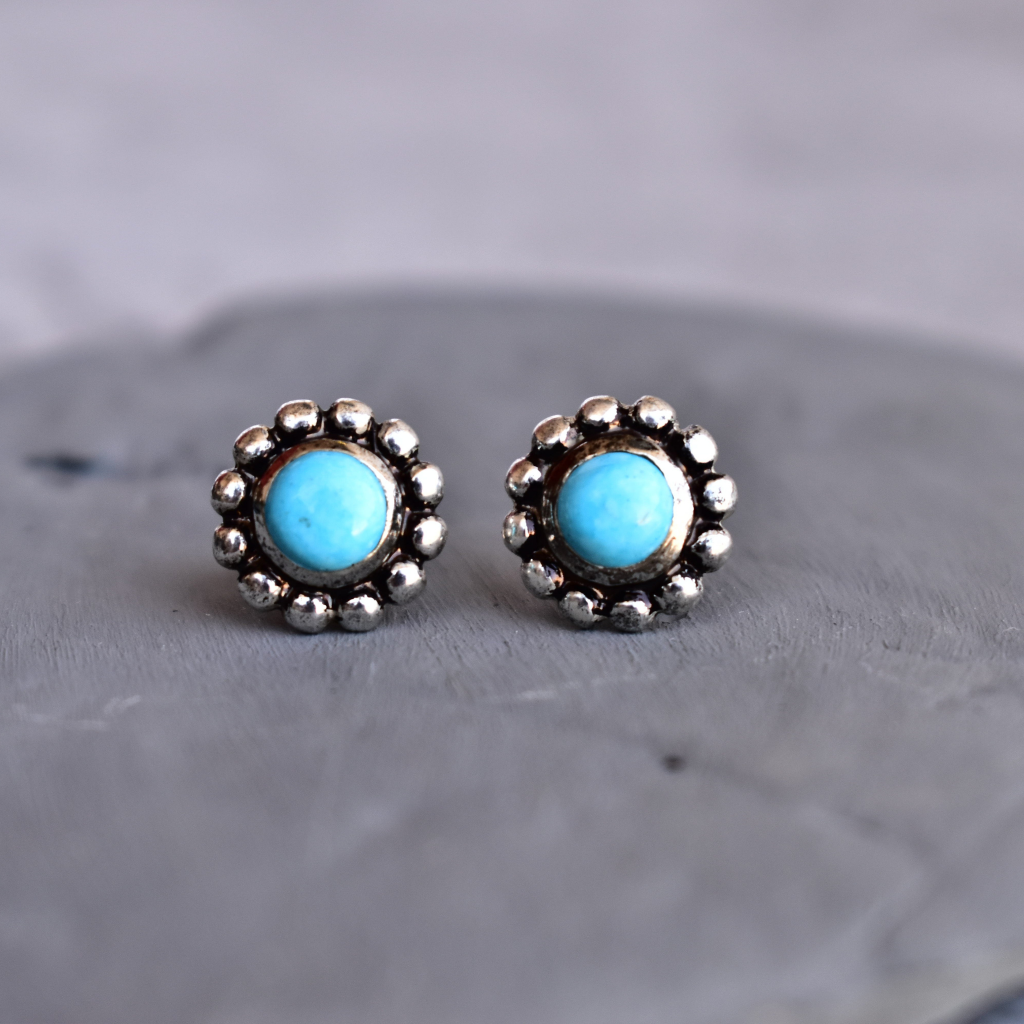
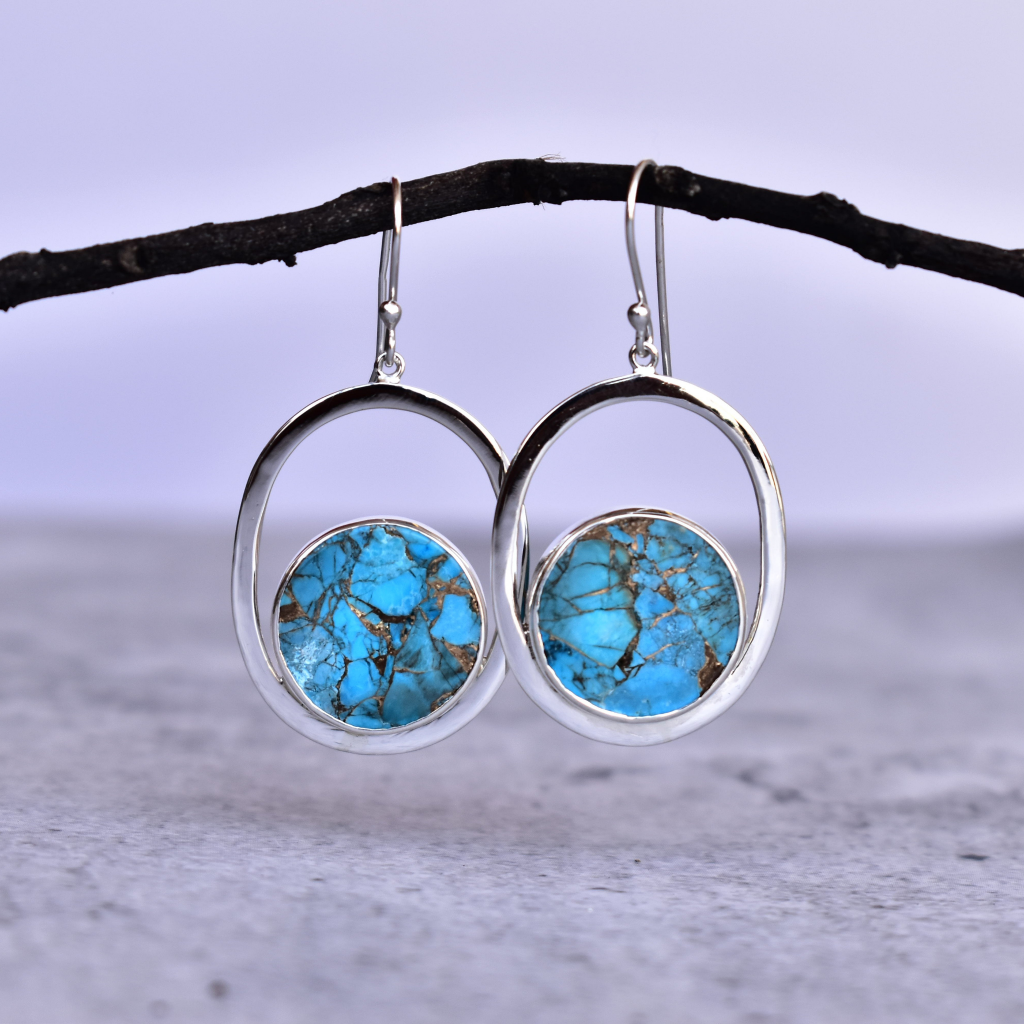
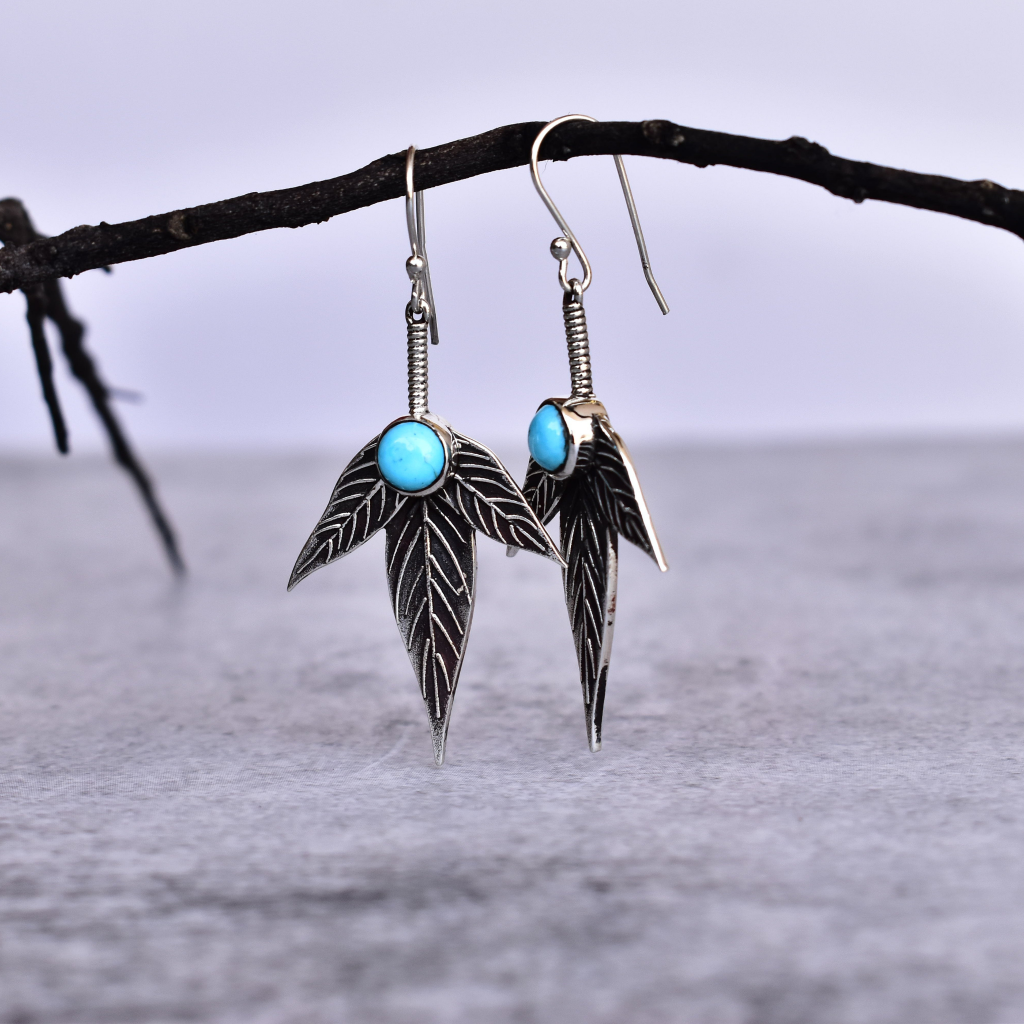
| Turquoise earrings | Rs. 1,955 to 6,670 | Sky Button studs, Hypnotic dangle, Midnight Blue |
| Turquoise necklaces | Rs. 2,300 to 3,910 | Heart, Rawnetic, Tropical Breeze |
Prices are correct at the time of writing; the product page always shows the current price.
Turquoise at a Glance
| Property | Turquoise (firoza) |
|---|---|
| What it is | A copper and aluminium phosphate mineral; copper gives the blue, iron adds green |
| Colour | Sky blue to blue-green, often with darker veins called matrix |
| Hardness (Mohs scale) | About 5 to 6, softer and more porous than most gems |
| Famous sources | Iran (Nishapur), the south-western USA (Arizona), China |
| Birthstone | December |
| Link in Indian astrology | Most often associated with Guru (Jupiter); some astrologers also link it with Shukra (Venus) or Shani (Saturn) |
Irani, Arizona, Copper and African Turquoise: What Is the Difference?
Buyers in India often search for "Irani firoza" or "Arizona firoza". These names describe where the stone came from and how it looks.
| Name you will see | What it means | Typical look |
|---|---|---|
| Irani (Persian) firoza | Turquoise from Iran, the most famous historical source | Even sky blue with little or no matrix |
| Arizona or American firoza | Turquoise from mines in the south-western USA | Blue to blue-green, often with brown or black matrix |
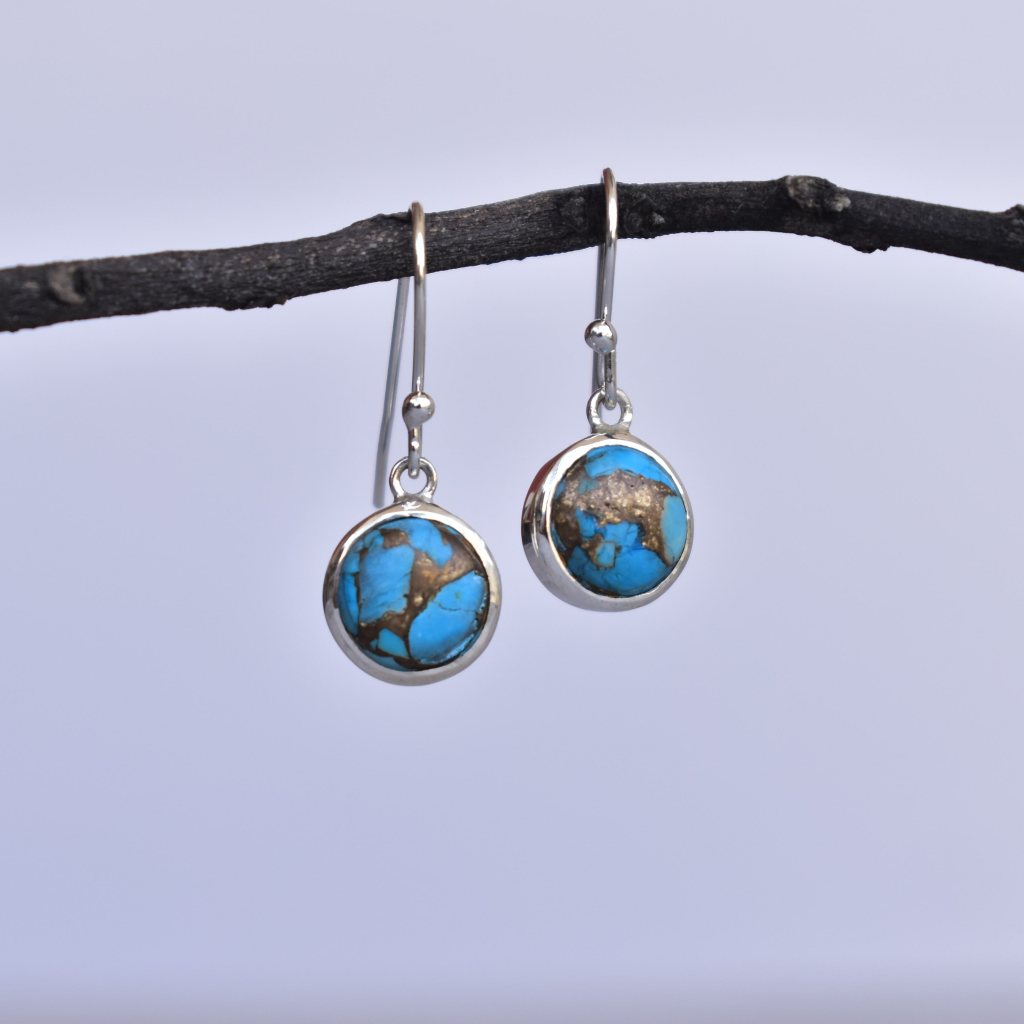
| Copper turquoise | Turquoise with metallic, copper-coloured veins running through it | Bright blue with shiny golden-brown lines |
| African turquoise | A trade name for a natural speckled blue-green jasper; it is a different mineral from true turquoise | Green-blue with black and brown spots |
At Keeta Luxury, our rings and many silver pieces use copper turquoise from Arizona. Some of our bead bracelets, such as Eye of Serenity and Lunar, use African turquoise beads, and the product page always says which stone you are buying.
How to Tell Real Firoza From Fake
- Look at the colour. Natural turquoise is rarely perfectly even. Small changes in shade and natural matrix lines are normal.
- Be wary of very low prices. Cheap "turquoise" beads are often dyed howlite or magnesite, white stones coloured blue.
- Check the weight and feel. Plastic and resin imitations feel light and warm up quickly in the hand.
- Buy from a seller who names the stone. A trustworthy seller tells you the origin and the type, so you know whether it is turquoise, copper turquoise or African turquoise.
Read our guide to identifying genuine gemstones for more checks you can do at home.
Firoza Stone Meaning and Benefits in Tradition
Turquoise has been worn as a protective stone in Persia, Tibet, Egypt and among Native American communities for centuries. In crystal tradition it is linked with protection while travelling, calm communication and good fortune, which is why it is a popular stone for evil eye bracelets. In Indian astrology it is often suggested for people seeking Jupiter's support, though astrologers differ, so check your chart if you are wearing it as a remedy. These meanings come from tradition and personal belief.
How to Wear and Style Turquoise
- With silver: the classic pairing; sky blue against white metal looks clean for daily wear.
- With gold vermeil: warmer and more festive, especially with white, ivory, orange and coral outfits.
- With other blue stones: turquoise and lapis lazuli pair well, as in our Blue Horizon and Blue Oasis bracelets.
- Which hand: there is no fixed rule. Many people wear a turquoise bracelet on the left wrist, the receiving hand in crystal tradition; a firoza ring is often worn on the ring finger or little finger.
How to Care for Turquoise
Turquoise is porous, so it can absorb oils, perfume and water, and its colour can slowly shift towards green over years of wear. Put it on after perfume and lotion, take it off before bathing, swimming and cooking, and wipe it with a soft dry cloth. Store it away from harder stones that can scratch it. See our Jewellery Care Guide for more.
Why Buy Turquoise Jewellery From Keeta Luxury?
- Keeta Luxury is a Jaipur jewellery brand founded in 2016; every piece is handmade by our in-house craftsmen.
- Natural stones only, with the stone type and origin listed on every product page.
- 925 sterling silver pieces are BIS hallmarked (HM/C-8490533525), and we are a member of the Gem and Jewellery Export Promotion Council (GJEPC).
- Free shipping across India, free bracelet resizing and 14-day returns. Bracelets are dispatched in 1 to 2 business days; other pieces in 3 to 5.
Frequently Asked Questions
What is firoza stone called in English?
Firoza or feroza is the Hindi and Persian name for turquoise, a blue to blue-green gemstone coloured by copper.
What is the price of turquoise jewellery at Keeta Luxury?
Turquoise bracelets start at Rs. 1,100, earrings at Rs. 1,955, necklaces at Rs. 2,300 and rings at Rs. 3,450. Statement earrings go up to Rs. 6,670.
Is African turquoise real turquoise?
No. African turquoise is a trade name for a natural blue-green jasper. It is a genuine natural stone, but it is a different mineral from true turquoise. Keeta Luxury product pages state which one each piece uses.
Which planet is firoza stone associated with?
In Indian astrology, firoza is most often associated with Guru (Jupiter), though some astrologers link it with Venus or Saturn. If you are wearing it as a remedy, consult your astrologer.
Can I wear turquoise every day?
Yes, with care. Turquoise is softer and more porous than most gems, so remove it before water, perfume and heavy work, and wipe it with a dry cloth after wearing.
Why does turquoise change colour?
Because it is porous, turquoise can slowly absorb skin oils, perfume and moisture, which can deepen or green the colour over time. Keeping it dry and clean slows this down.
Which is better, Irani or Arizona firoza?
Neither is simply better. Irani firoza is prized for its even sky-blue colour, while Arizona turquoise is known for its blue shades with natural matrix. Choose the look you prefer.
Gemstone meanings and astrological links described here come from tradition and personal belief. They are not a substitute for medical, financial or professional advice.


